Plant care checked against published sources Plant profiles, care guides and free tools Pictures are AI illustrations

Roses, variety by variety.

"Plant a rose" hides the real question - WHICH rose: a formal hybrid tea for the vase, an ironclad rugosa hedge, a thornless climber for the doorway, an Austin for perfume? Here are 24 guides - the seven great classes plus the iconic varieties everyone eventually meets - with notes on fragrance, disease and effort.
Roses
Hybrid Tea Roses Class

Hybrid Tea Roses

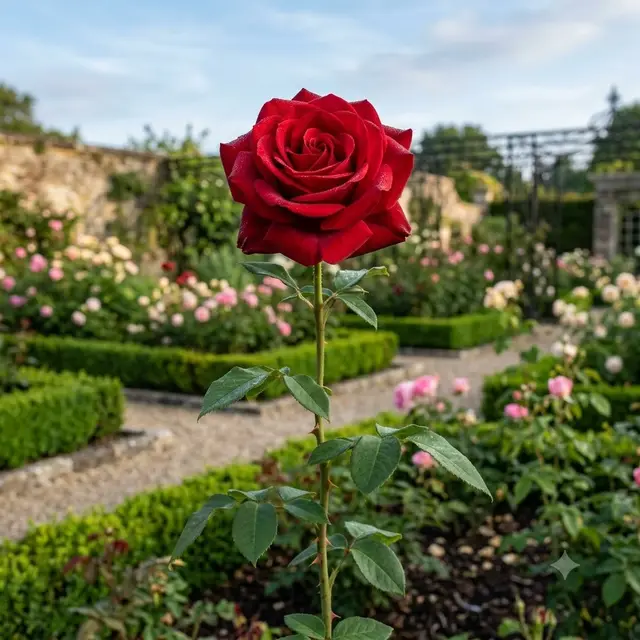
Hybrid teas are THE florist rose - one large, high-centered, spiraled bloom per long straight stem, made for the vase and the show bench.
Floribunda Roses Class

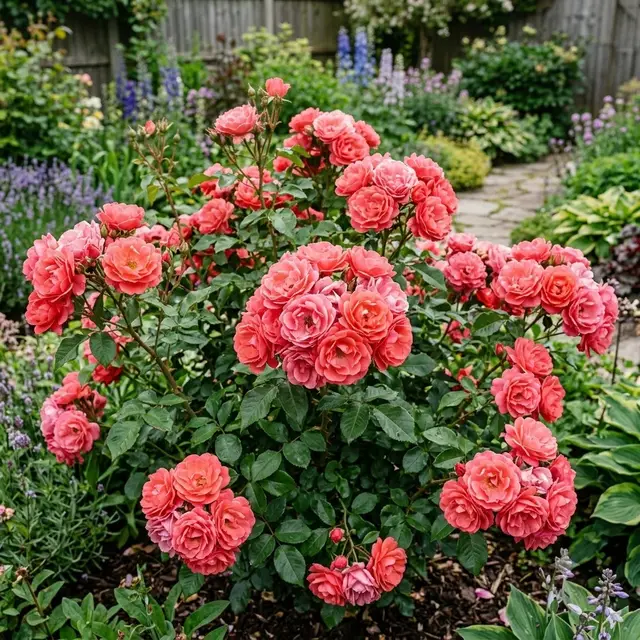
Floribunda Roses

Floribunda roses carry their flowers in clusters, with several blooms open on one stem at the same time, and they keep flowering from summer into late autumn.
Grandiflora Roses Class

Grandiflora Roses

Grandiflora roses are tall bushes that carry hybrid-tea-shaped flowers in small clusters on long stems, a class created in the United States in 1954 for the rose 'Queen Elizabeth'.
Rugosa Roses Class

Rugosa Roses

Rugosa roses are Japanese beach natives with crinkled disease-proof foliage, clove-scented single blooms, tomato-red hips and a constitution that laughs at salt spray, minus-forty winters and total neglect.
Miniature Roses Class

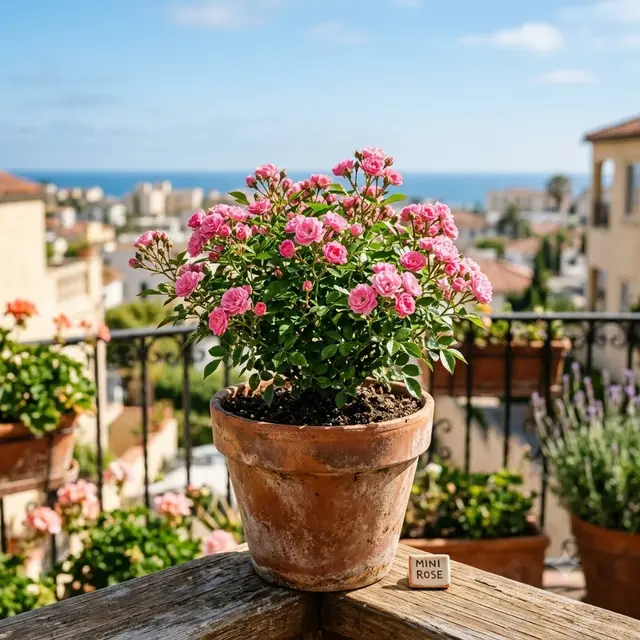
Miniature Roses

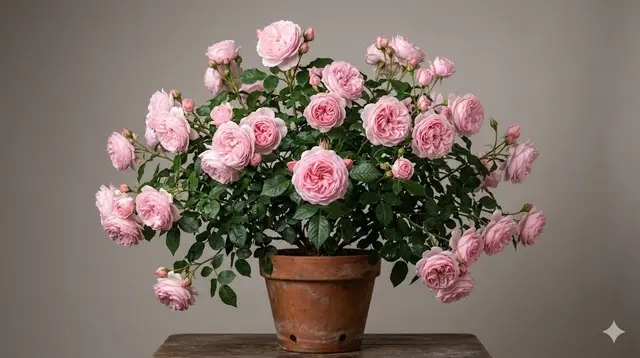
Miniature roses are true genetic dwarfs (not treated plants) with perfect little hybrid-tea blooms on 20-60 cm bushes, hardy on their own roots, at home in pots, edging and balconies.
Rambler Roses Class

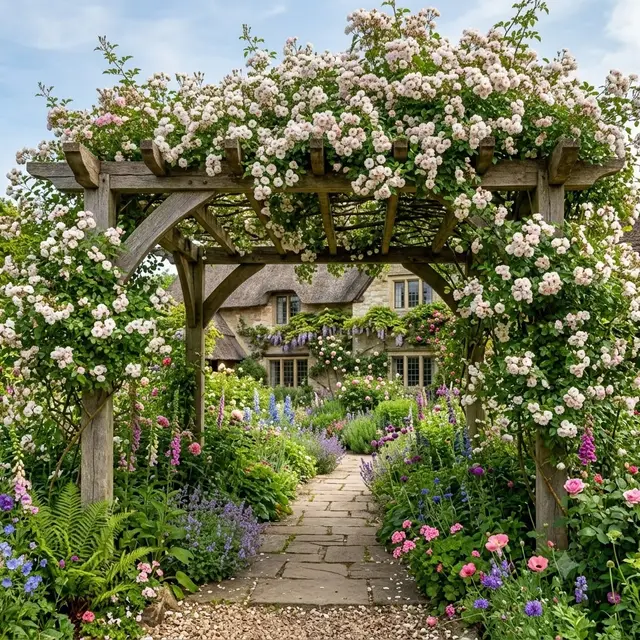
Rambler Roses

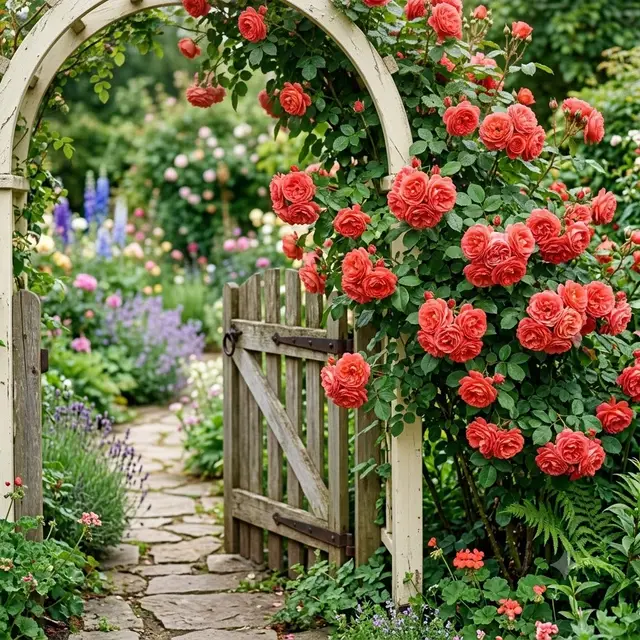
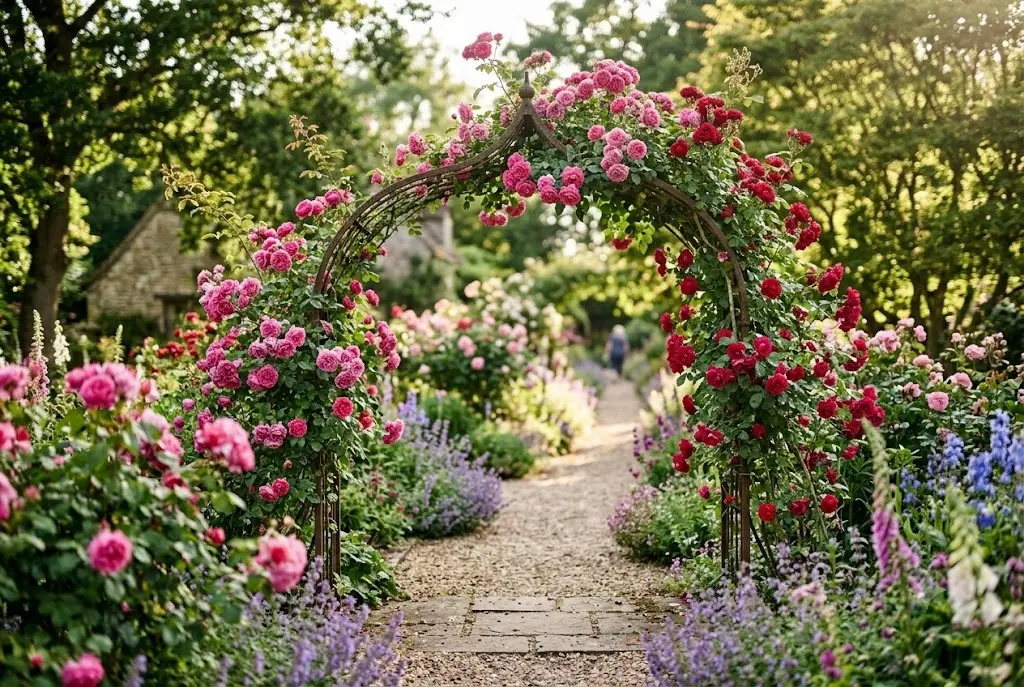
Ramblers are vast flexible-caned roses that cover pergolas, trees and eyesores with thousands of small blooms in a single June flush.
English Roses (David Austin) Class

English Roses (David Austin)

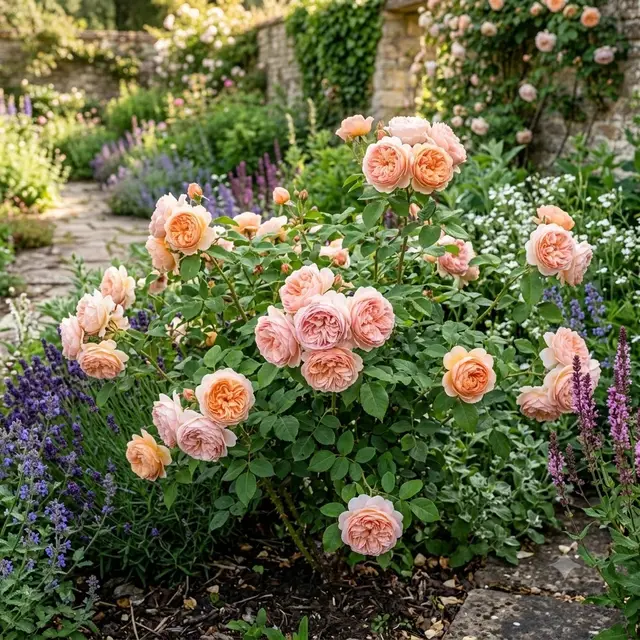
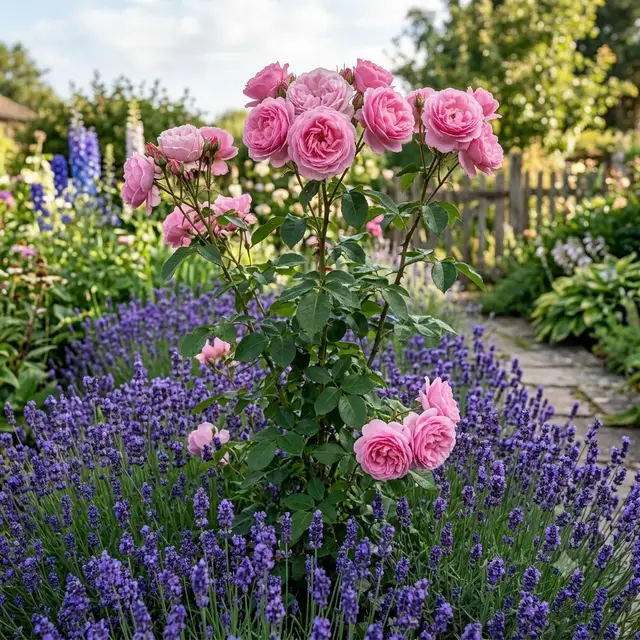
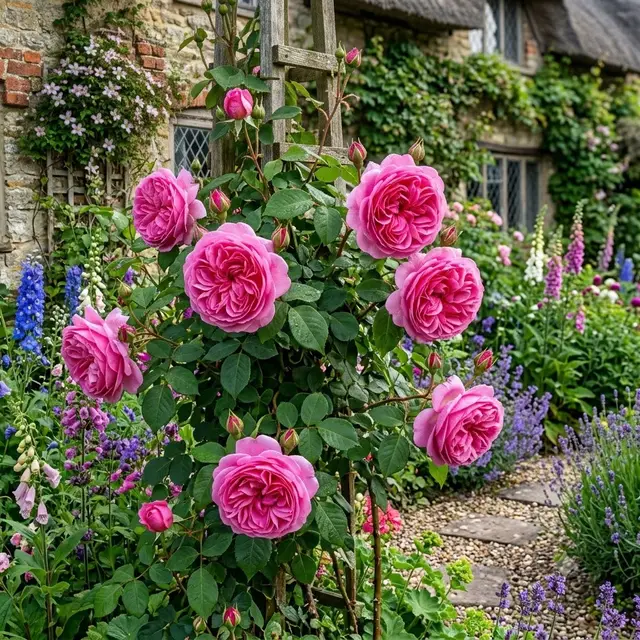
David Austin's English roses carry cupped and quartered old-rose-style blooms, often strongly scented, on healthy repeat-flowering shrubs.
'Peace' Rose Variety

'Peace' Rose

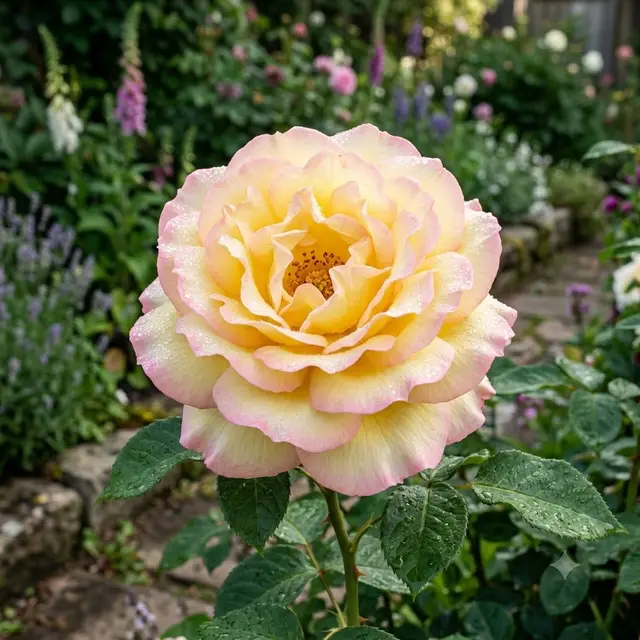
'Peace' is a hybrid tea with huge yellow blooms edged in pink; it was smuggled out of France ahead of the 1940 invasion, named on the day Berlin fell, and handed to every UN delegate in 1945.
'Mister Lincoln' Rose Variety

'Mister Lincoln' Rose

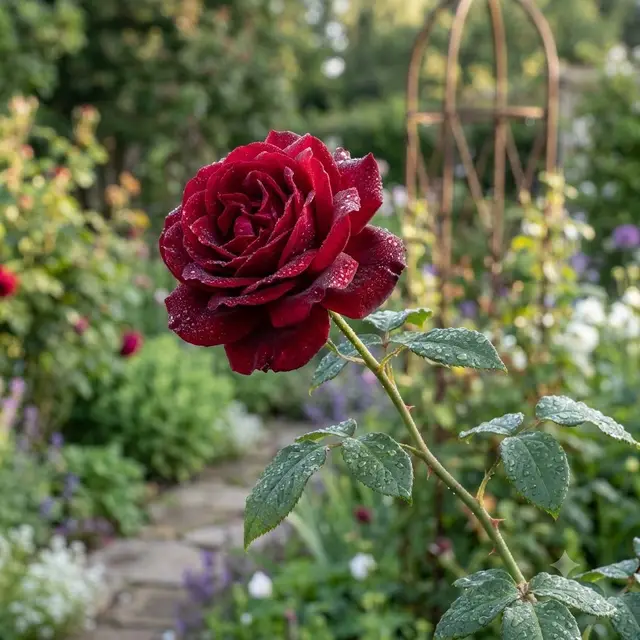
'Mister Lincoln' is a dark red hybrid tea with a strong damask fragrance, bred by Herbert Swim and Weeks Rose Growers and named an All-America Rose Selections winner in 1965.
'Double Delight' Rose Variety

'Double Delight' Rose

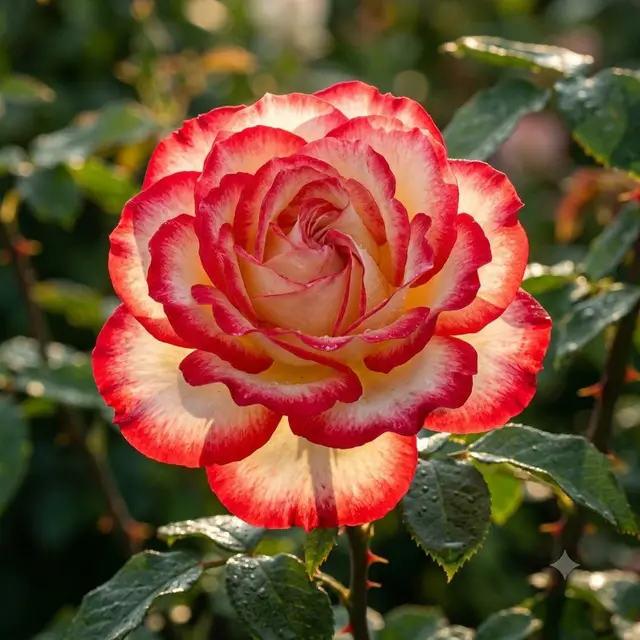
'Double Delight' is two roses in one bloom - cream hearts that blush crimson wherever sunlight touches the petals, so every flower paints itself differently - plus a spicy fragrance strong enough to name it twice.
'Fragrant Cloud' Rose Variety

'Fragrant Cloud' Rose

'Fragrant Cloud' is a coral-red hybrid tea bred by Mathias Tantau in Germany and introduced in 1963 under the name 'Duftwolke'.
'Queen Elizabeth' Rose Variety

'Queen Elizabeth' Rose

'Queen Elizabeth' is a tall clear-pink rose bred by the American breeder Walter Lammerts and introduced in 1954, the first member of the grandiflora class.
'Iceberg' Rose Variety

'Iceberg' Rose

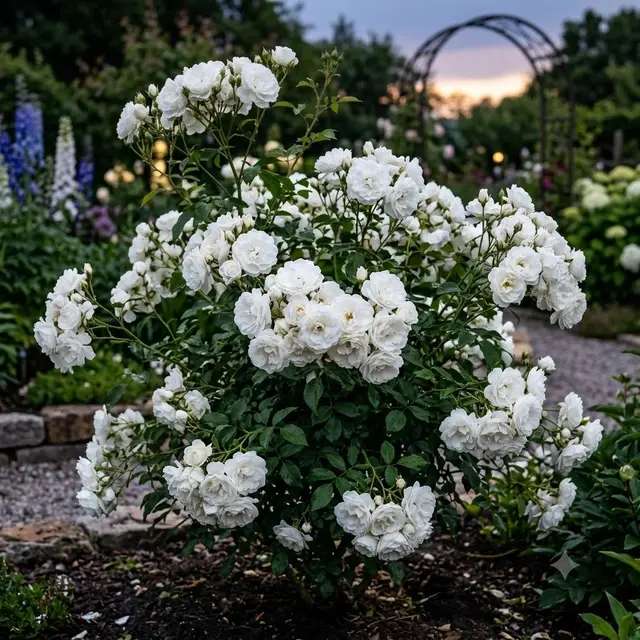
'Iceberg' is a white floribunda bred by Reimer Kordes in Germany and introduced in 1958 as 'Schneewittchen', a name taken from the fairy tale.
'Julia Child' Rose Variety

'Julia Child' Rose

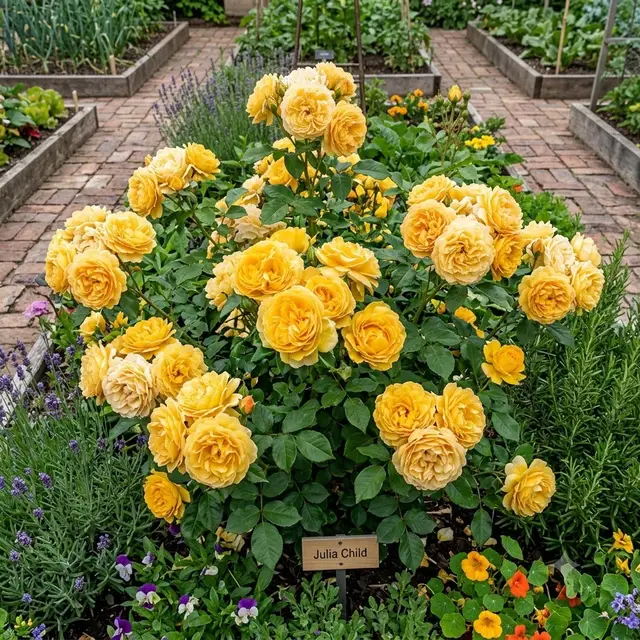
'Julia Child' is a golden-yellow floribunda bred by Tom Carruth and introduced by Weeks Roses in 2006, the year it won the All-America Rose Selections award.
'Knock Out' Rose Variety

'Knock Out' Rose

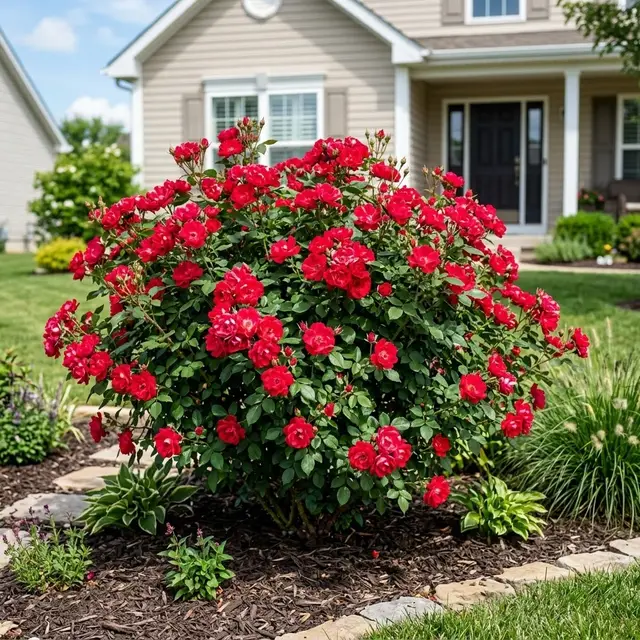
'Knock Out' changed who grows roses - the 2000 landscape shrub that blooms nonstop with NO spraying, no deadheading and no expertise, selling tens of millions and putting roses in yards that never dared.
'New Dawn' Rose Variety

'New Dawn' Rose

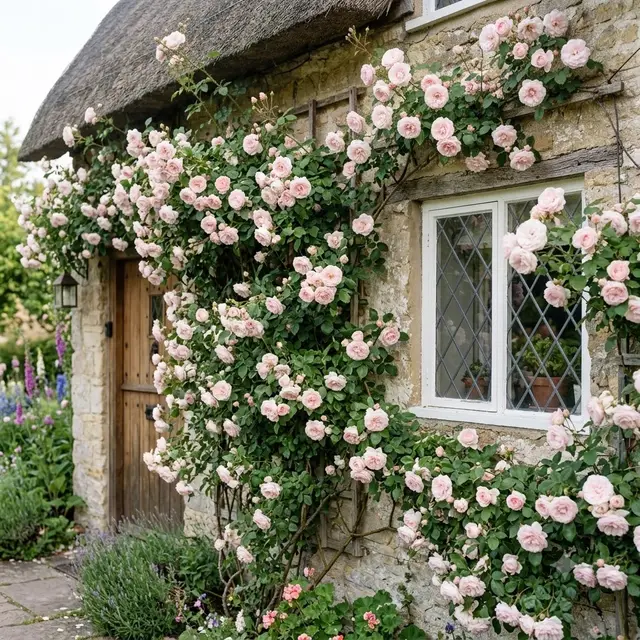
'New Dawn' holds patent #1 - literally the first plant ever patented (granted 1931), and earned it: the pearl-pink climber that repeat-blooms where others quit, tolerates north-ish walls and poor spots, and remains the world's default 'first climbing rose'.
'Eden' Rose (Pierre de Ronsard) Variety

'Eden' Rose (Pierre de Ronsard)
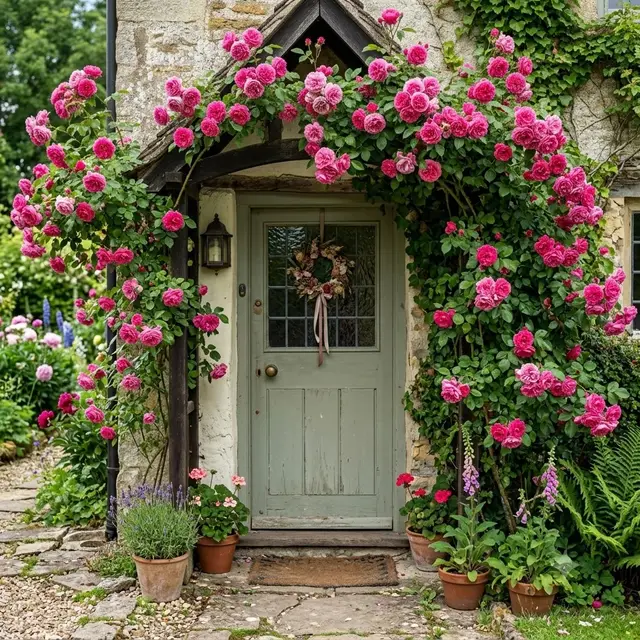
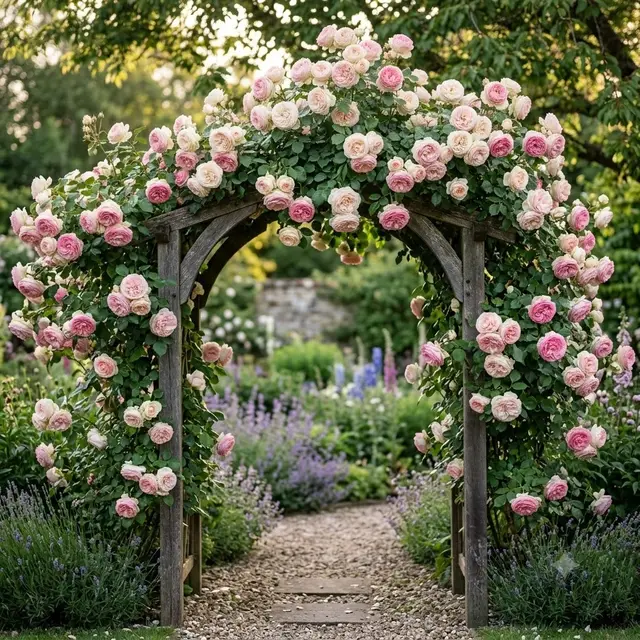
'Eden' (Europe's 'Pierre de Ronsard') is the wedding rose: giant old-world cupped blooms of cream brushed with pink, packed with a hundred petals, on a mannerly climber.
'Zéphirine Drouhin' Rose Variety

'Zéphirine Drouhin' Rose

'Zéphirine Drouhin' solves the doorway problem - a THORNLESS climbing Bourbon from 1868 with cerise-pink, raspberry-scented blooms you can brush past all summer unscratched.
'Graham Thomas' Rose Variety

'Graham Thomas' Rose

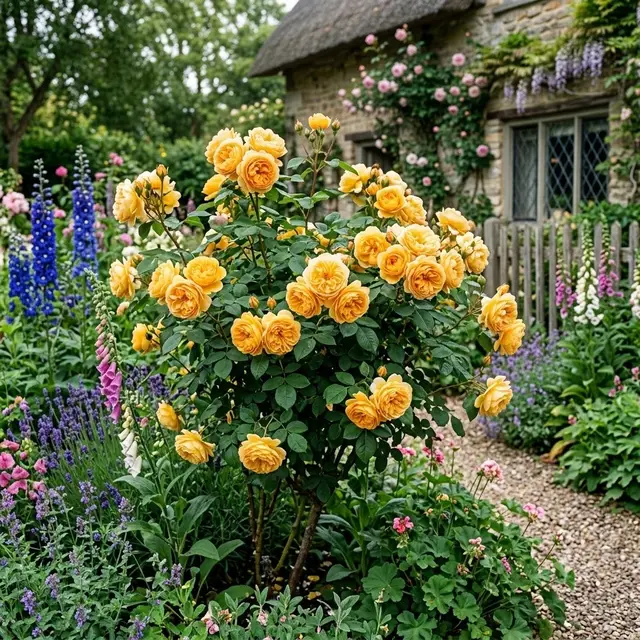
'Graham Thomas' is a rich yellow English shrub rose from David Austin, introduced in 1983 and named for the British horticulturist Graham Thomas.
'Gertrude Jekyll' Rose Variety

'Gertrude Jekyll' Rose

'Gertrude Jekyll' is a bright pink English shrub rose that David Austin introduced in 1986, grown above all for its strong Old Rose scent.
'Lady of Shalott' Rose Variety

'Lady of Shalott' Rose

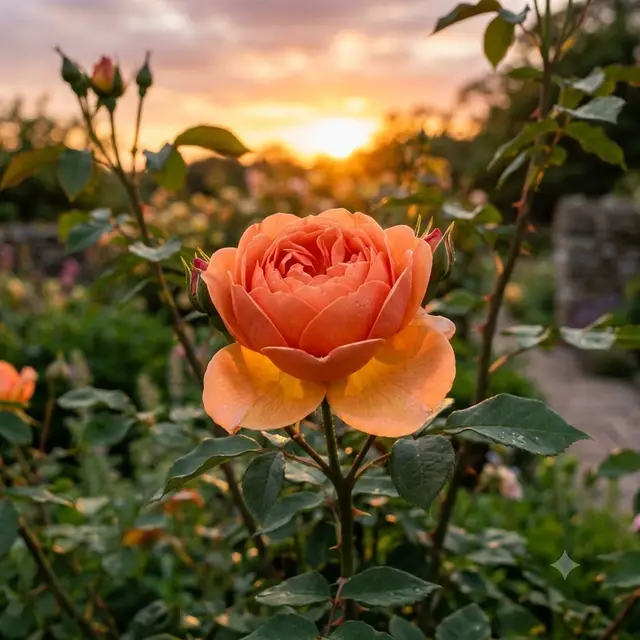
'Lady of Shalott' is an orange English shrub rose, a David Austin introduction of 2009, named after the poem by Alfred, Lord Tennyson to mark the 200th anniversary of his birth.
'Cécile Brünner' Rose Variety

'Cécile Brünner' Rose

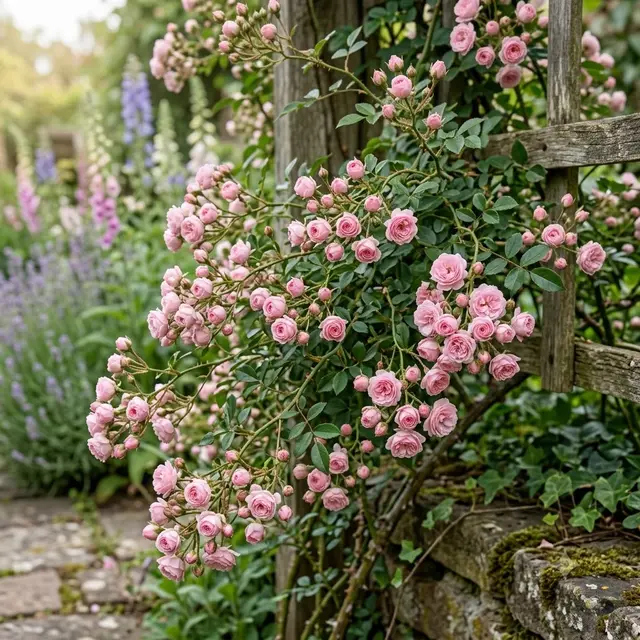
'Cécile Brünner' is the sweetheart rose - perfect miniature hybrid-tea buds the size of a thumbnail, worn in Victorian buttonholes, on a dainty 1881 polyantha (or its famous house-eating climbing sport).
Rose (Rosa) Guide

Rose (Rosa)

The Rose is a garden shrub grown for its flowers, long tied to romance, celebration, and the classic garden border.
Climbing & Rambling Roses Guide

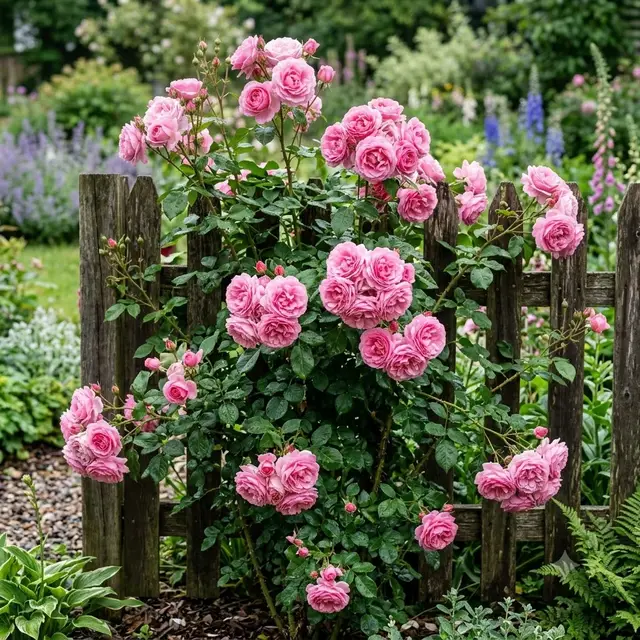
Climbing & Rambling Roses

Climbing and rambling roses take the most beloved flower in the world and send it skyward - clothing walls, arches, pergolas, fences, and even trees in cascades of bloom.
Where to start

For a first rose with least heartbreak: 'Queen Elizabeth' (indestructible pink), 'Iceberg' (constant white), 'Lady of Shalott' (the toughest Austin) or any Knock Out (zero-spray). Fragrance-first? 'Gertrude Jekyll' and 'Mister Lincoln'. Every profile lists the trade-offs.

Join and get our free plant toolkit.

Subscribe and put our printable watering calendar and care log to work today - then one plant or problem, explained in plain words, every week. Unsubscribe whenever; we won't chase you.