Bonsai for beginners.
Bonsai isn't a special kind of tiny tree - it's an ordinary tree kept small and shaped in a shallow pot through pruning, wiring and root work. It's a patient, deeply rewarding craft, and far more approachable than it looks once you start with a forgiving tree and get the watering right. Here's a beginner's map.
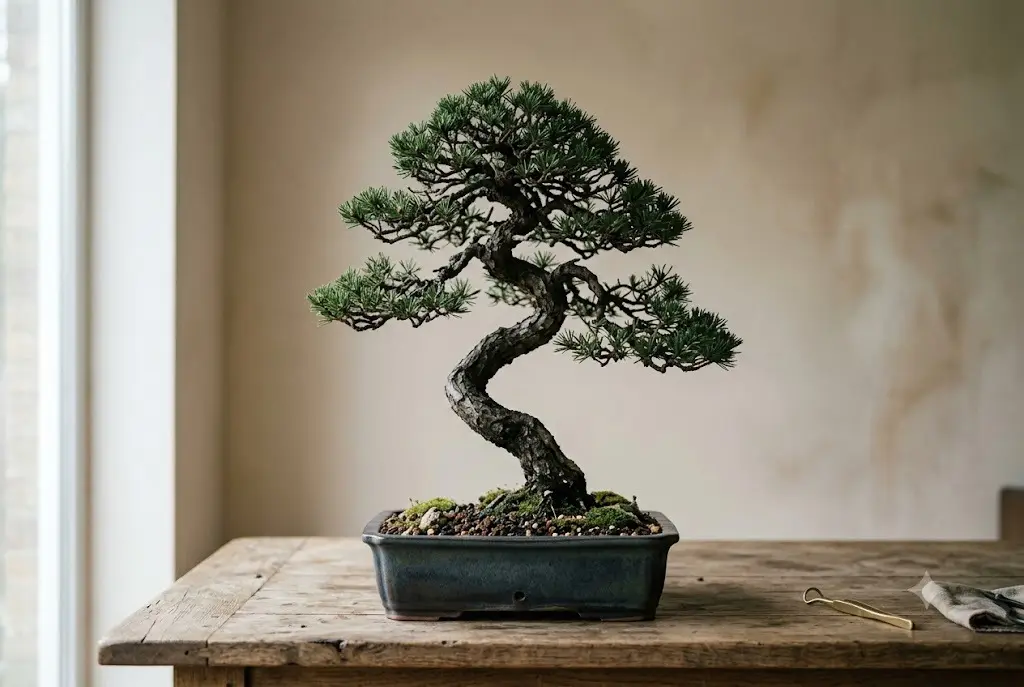
Pick your tree 62
Every tree here links to its own full guide - light, watering, pruning, wiring, repotting and seasonal care. The single biggest beginner mistake is a beautiful outdoor tree kept indoors, so we've split them by where they actually want to live.
Indoor bonsai happy on a bright windowsill
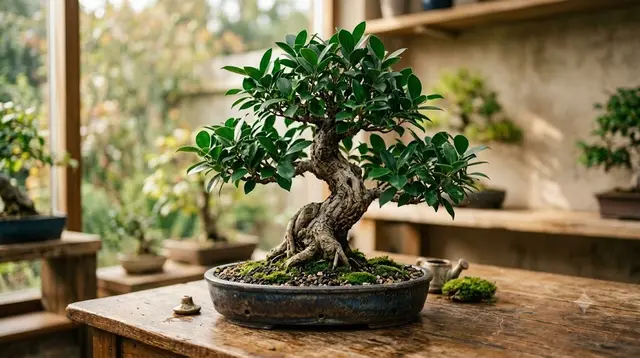 Beginner
 Ficus Bonsai
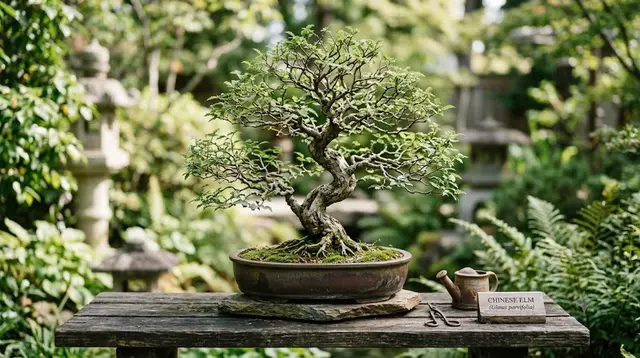 Beginner
 Chinese Elm Bonsai
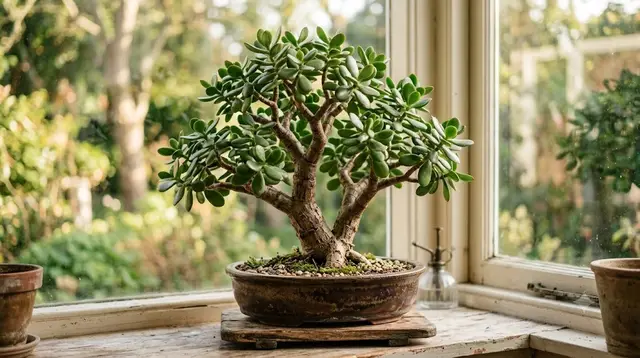 Beginner
 Jade Bonsai
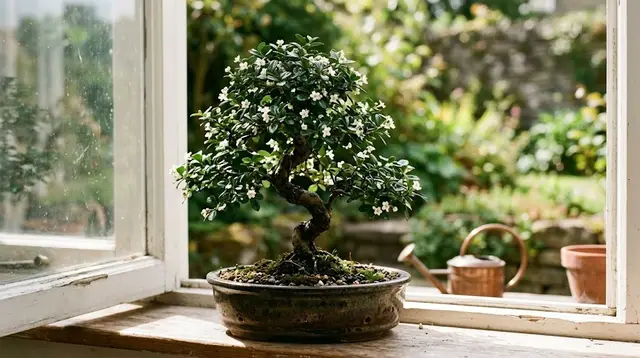 Intermediate
 Fukien Tea Bonsai
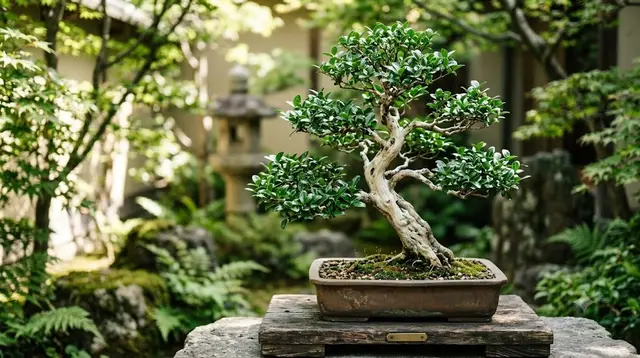 Beginner
 Chinese Privet Bonsai
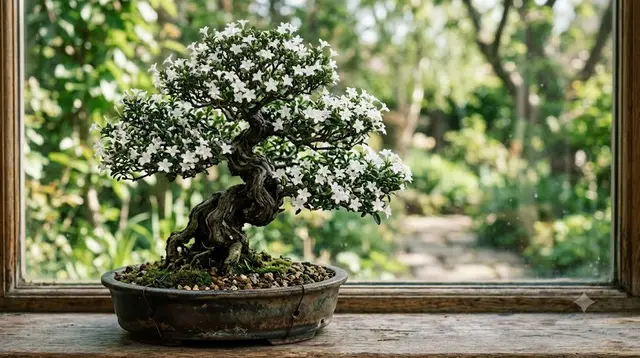 Intermediate
 Serissa Bonsai
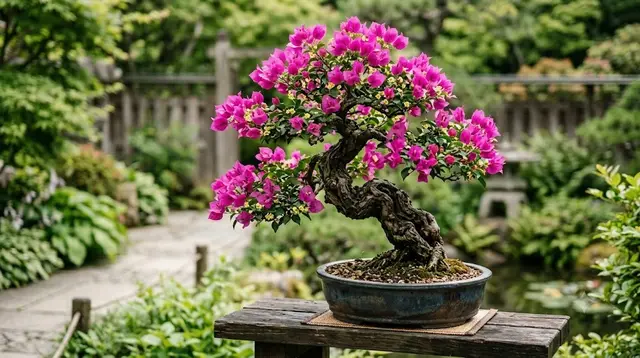 Intermediate
 Bougainvillea Bonsai
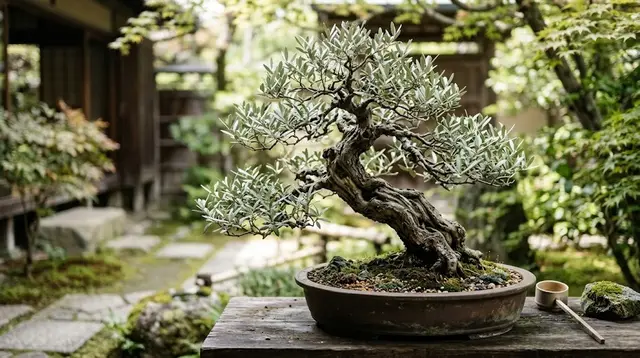 Beginner
 Olive Bonsai
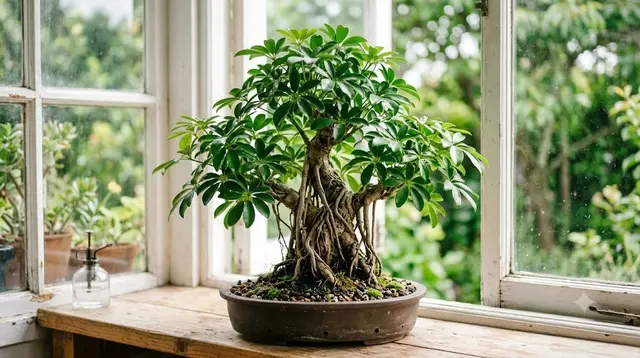 Beginner
 Dwarf Schefflera Bonsai
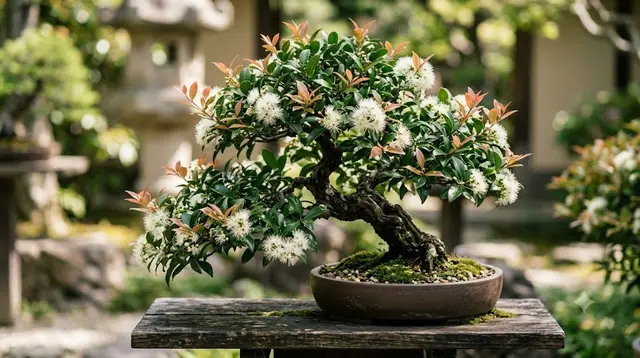 Beginner
 Brush Cherry Bonsai
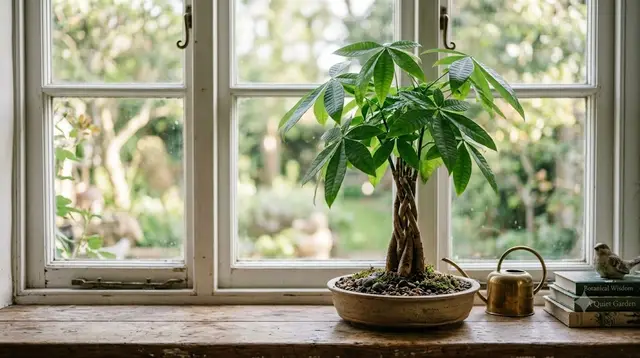 Beginner
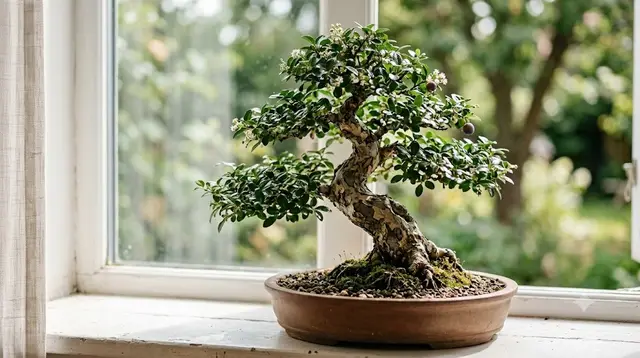
 Money Tree Bonsai
 Intermediate
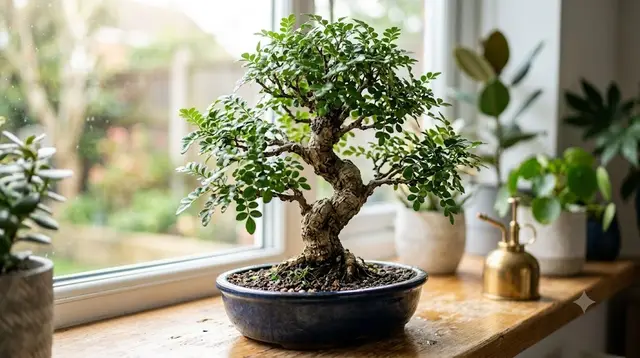
 Sweet Plum Bonsai
 Beginner
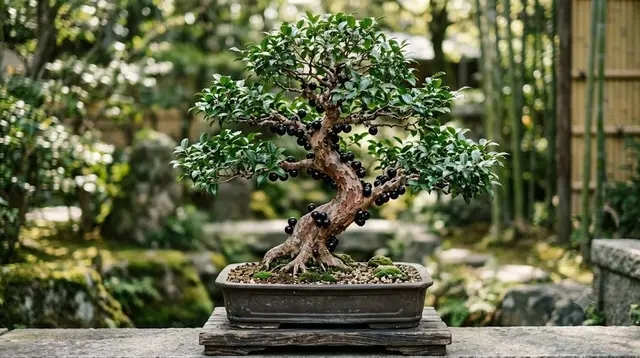
 Chinese Pepper Tree Bonsai
 Intermediate
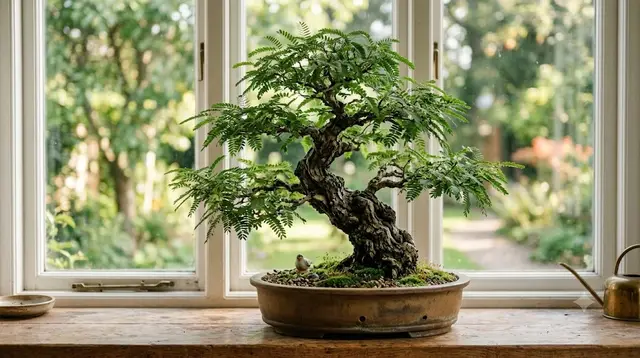
 Jaboticaba Bonsai
 Intermediate
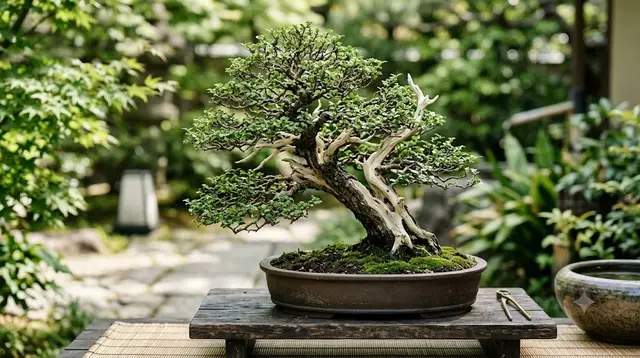
 Tamarind Bonsai
 Intermediate
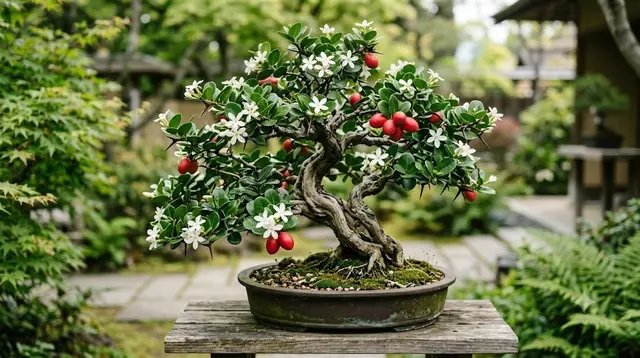
 Premna Bonsai
 Intermediate
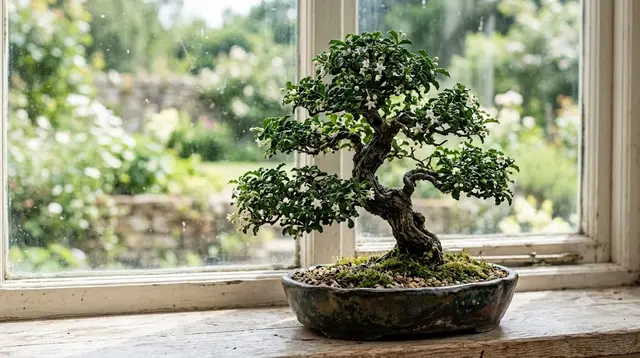
 Natal Plum Bonsai
 Intermediate
 Bahama Berry Bonsai
 Intermediate
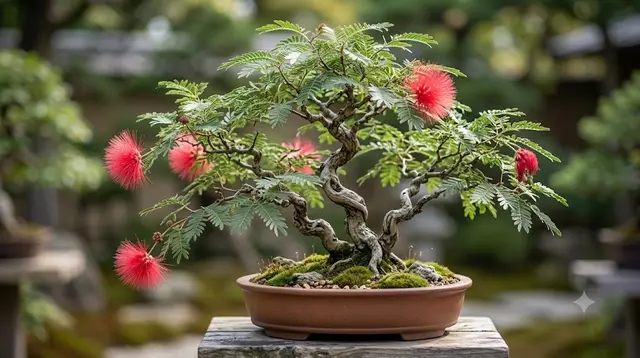
 Powder Puff Bonsai
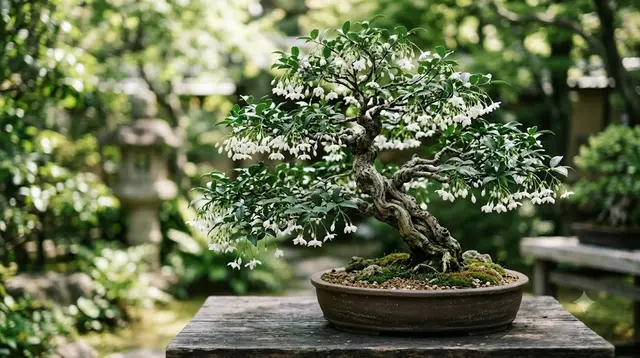 Intermediate
 Water Jasmine Bonsai
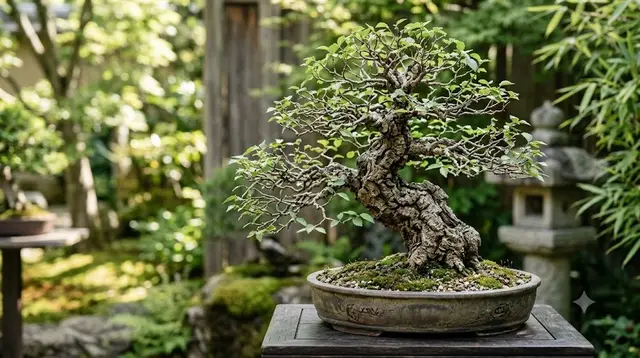 Beginner
 Cork Bark Elm Bonsai
Outdoor bonsai need real seasons & a cold winter rest
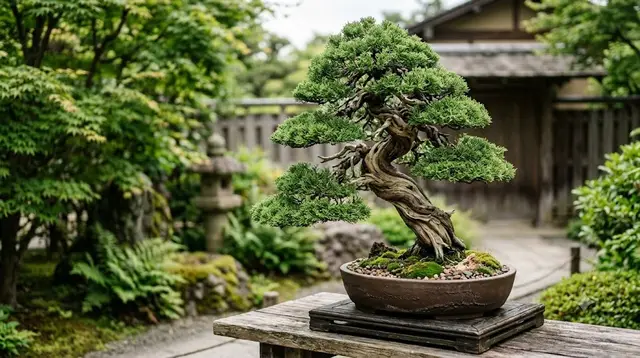 Intermediate
 Juniper Bonsai
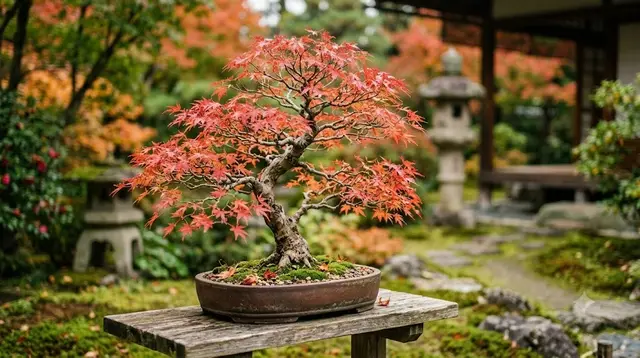 Intermediate
 Japanese Maple Bonsai
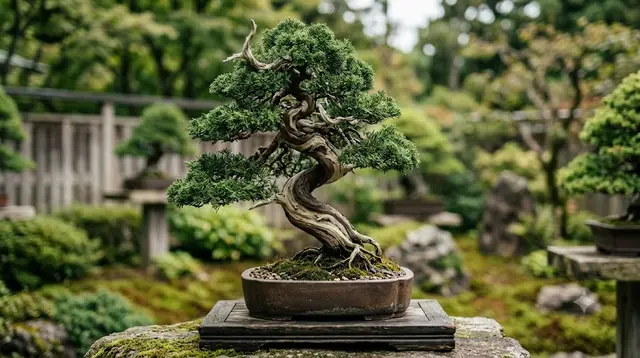 Intermediate
 Chinese Juniper Bonsai
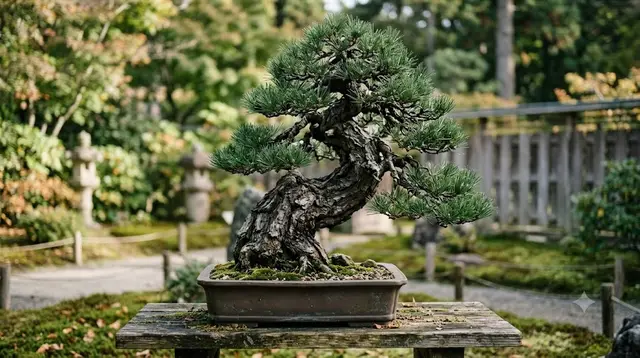 Advanced
 Japanese Black Pine Bonsai
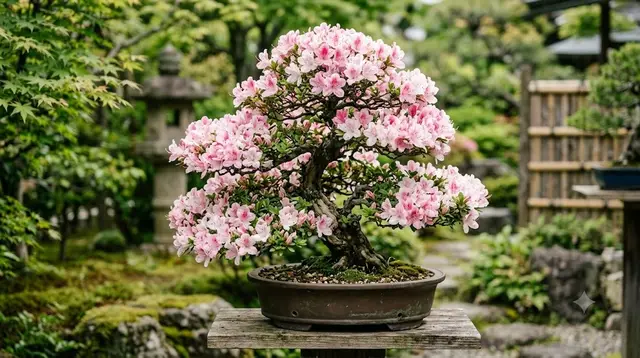 Intermediate
 Satsuki Azalea Bonsai
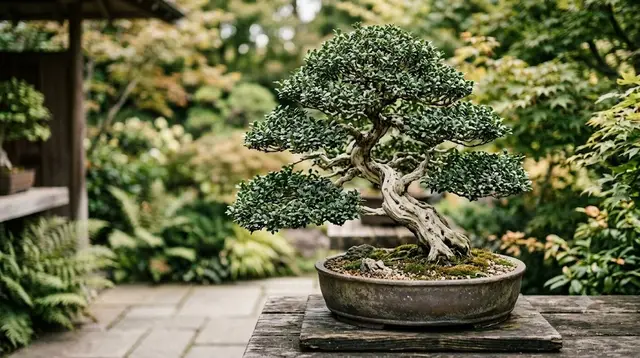 Beginner
 Boxwood Bonsai
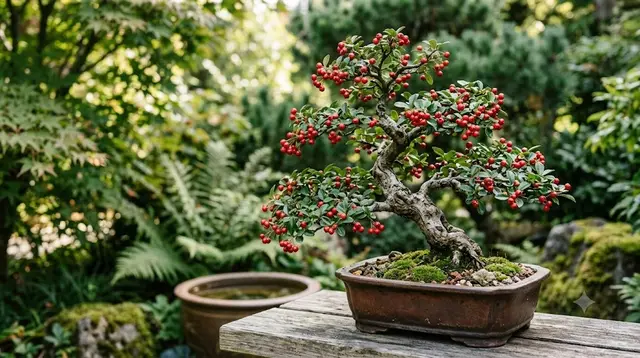 Beginner
 Cotoneaster Bonsai
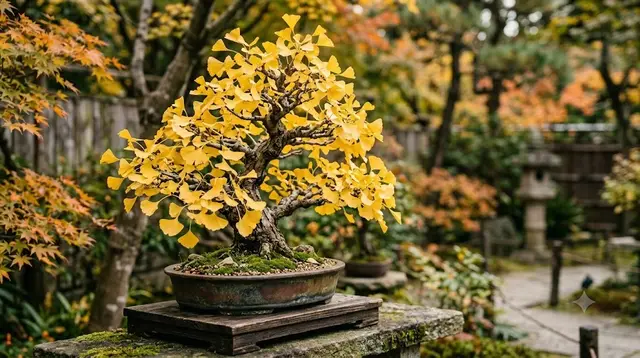 Intermediate
 Ginkgo Bonsai
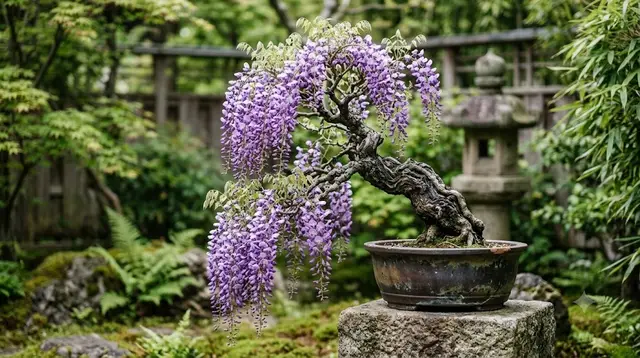 Intermediate
 Wisteria Bonsai
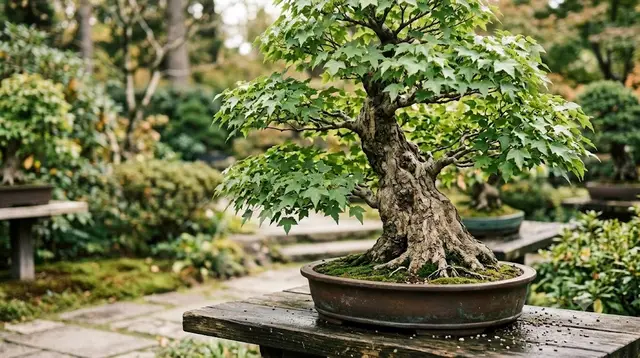 Beginner
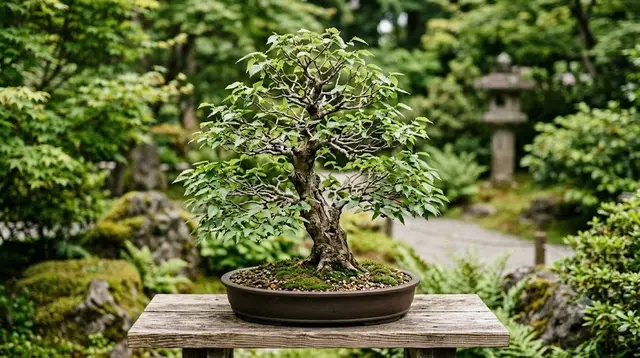
 Trident Maple Bonsai
 Intermediate
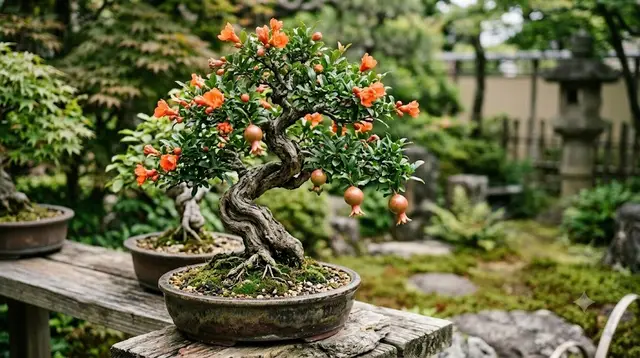
 Hornbeam Bonsai
 Intermediate
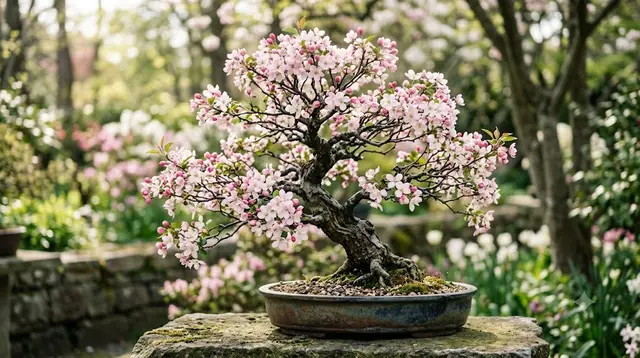
 Pomegranate Bonsai
 Intermediate
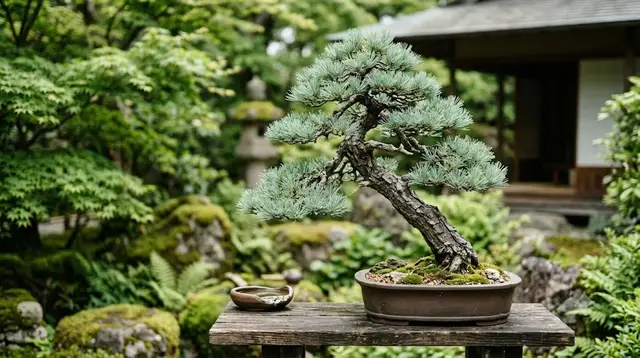
 Crabapple Bonsai
 Advanced
 Japanese White Pine Bonsai
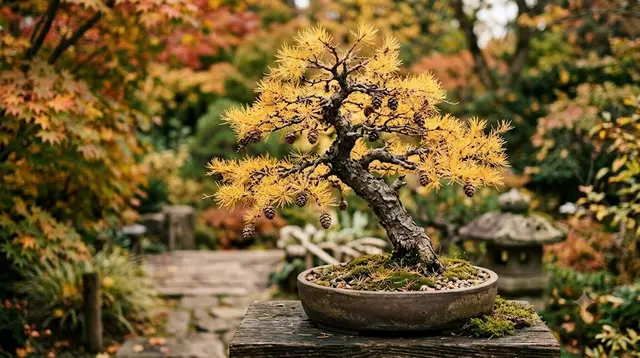 Intermediate
 Larch Bonsai
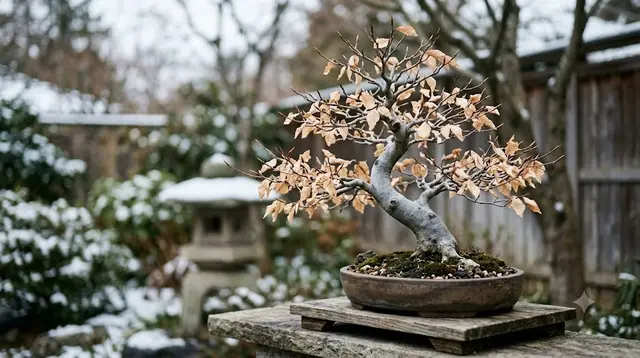 Intermediate
 Japanese Beech Bonsai
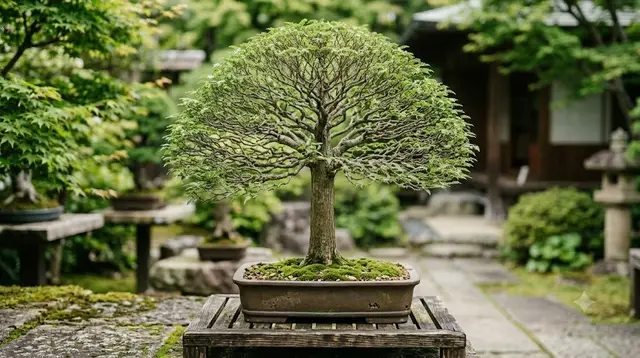 Intermediate
 Zelkova Bonsai
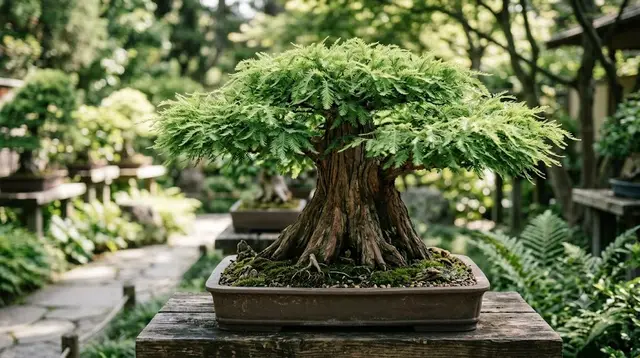 Intermediate
 Bald Cypress Bonsai
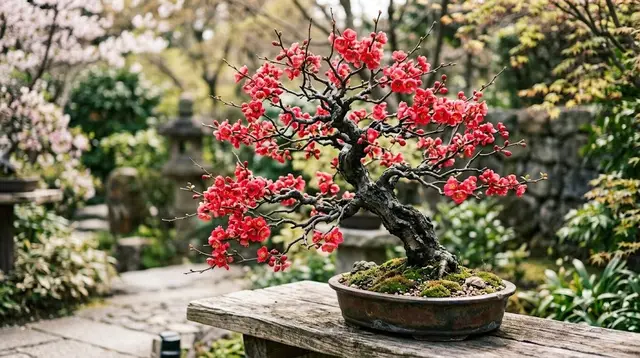 Beginner
 Flowering Quince Bonsai
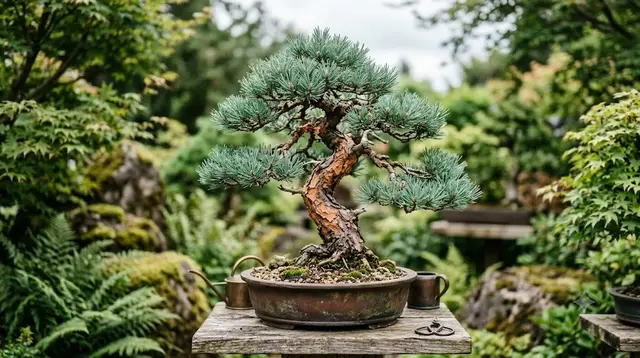 Intermediate
 Scots Pine Bonsai
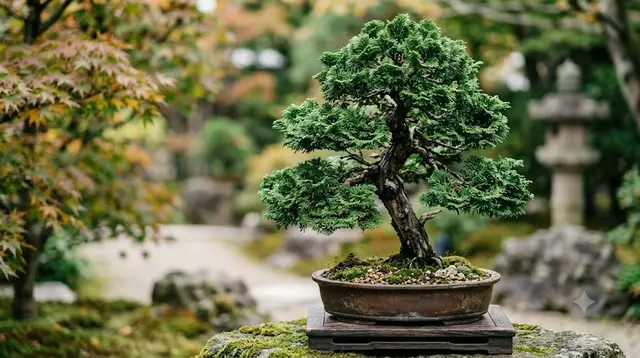 Intermediate
 Hinoki Cypress Bonsai
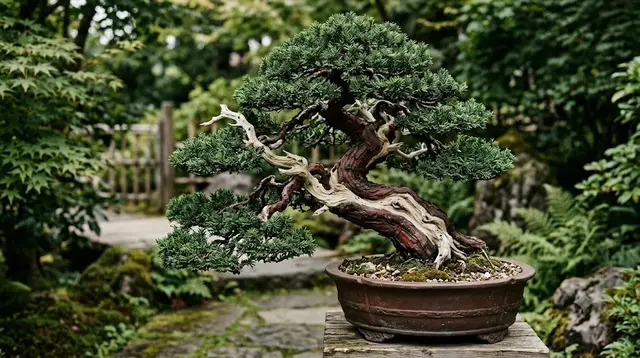 Intermediate
 Yew Bonsai
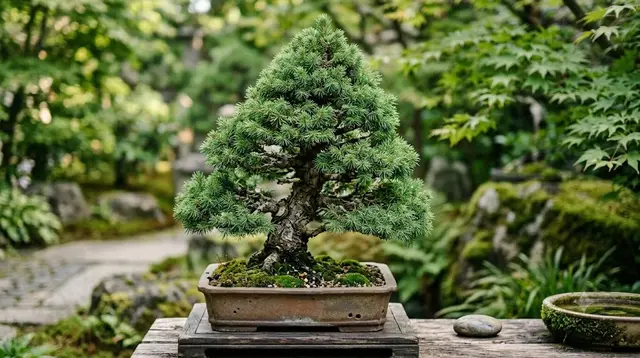 Intermediate
 Spruce Bonsai
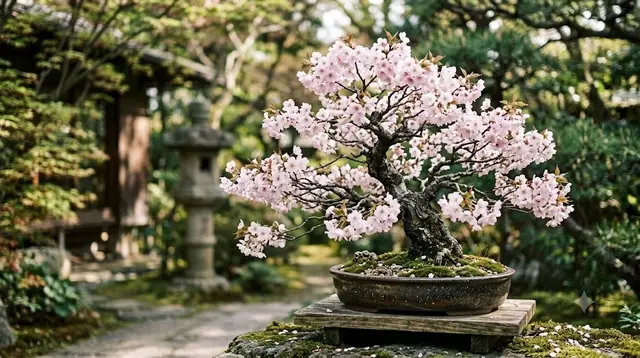 Intermediate
 Flowering Cherry Bonsai
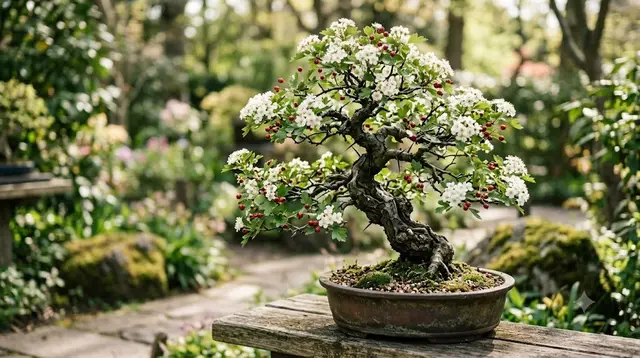 Intermediate
 Hawthorn Bonsai
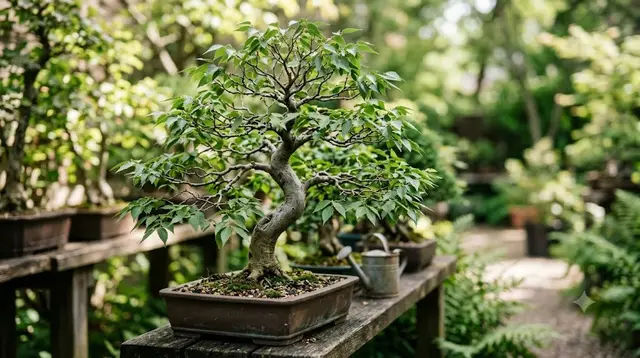 Beginner
 Hackberry Bonsai
 Intermediate
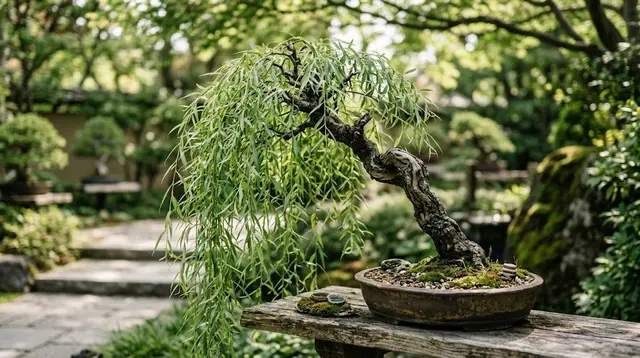
 Willow Bonsai
 Beginner
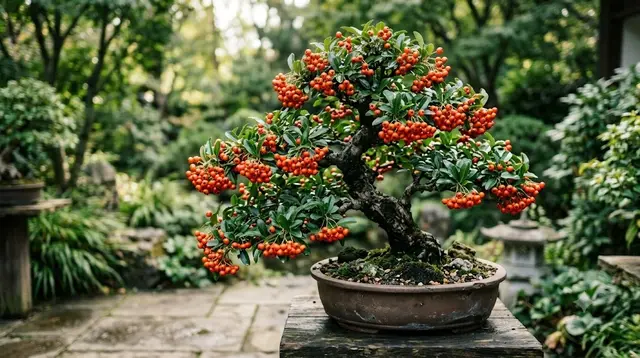
 Firethorn Bonsai
 Beginner
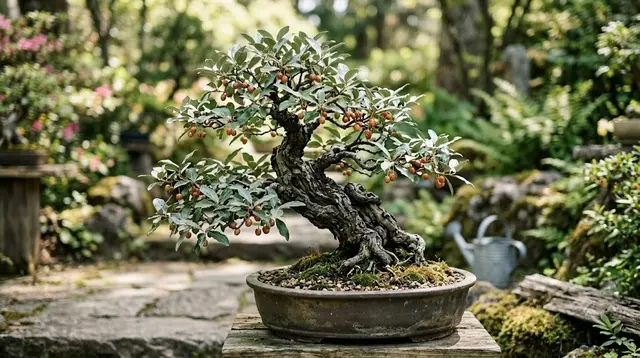
 Silverberry Bonsai
 Intermediate
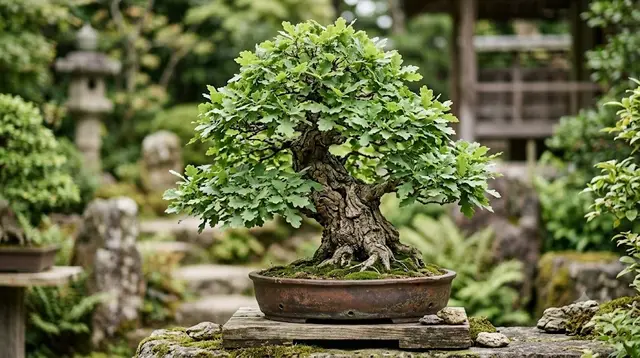
 English Oak Bonsai
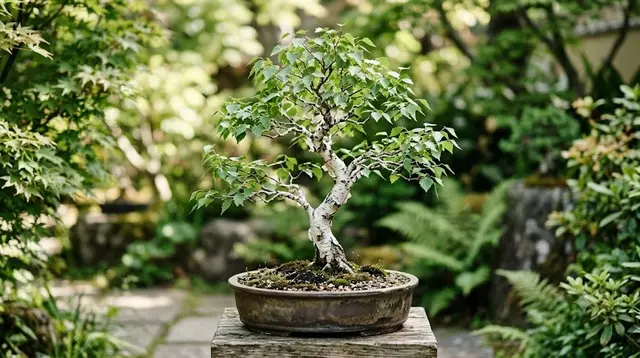 Intermediate
 Silver Birch Bonsai
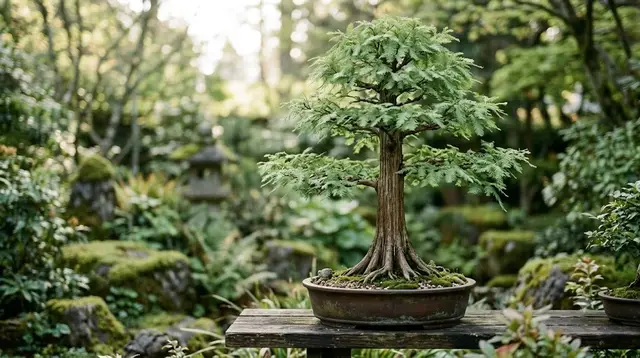 Beginner
 Dawn Redwood Bonsai
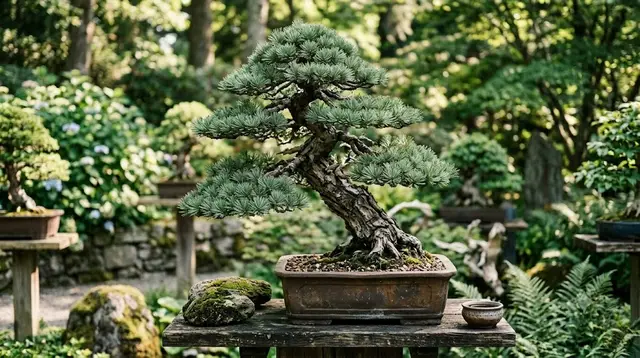 Advanced
 Cedar Bonsai
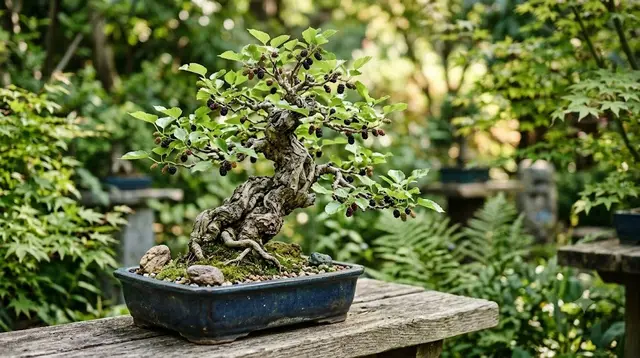 Beginner
 Mulberry Bonsai
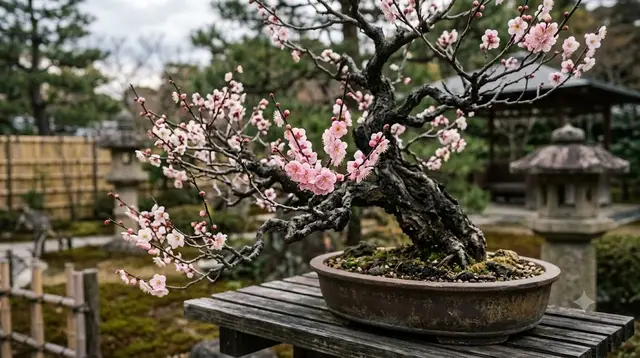 Intermediate
 Japanese Apricot Bonsai
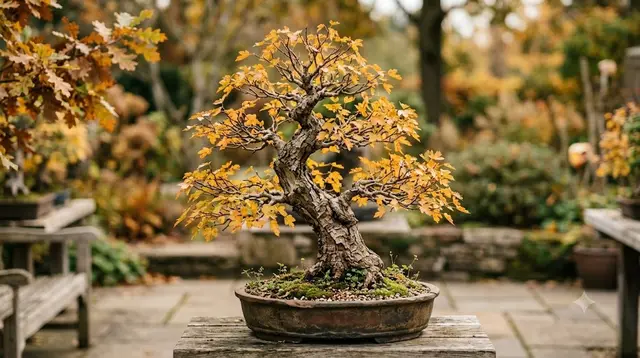 Beginner
 Field Maple Bonsai
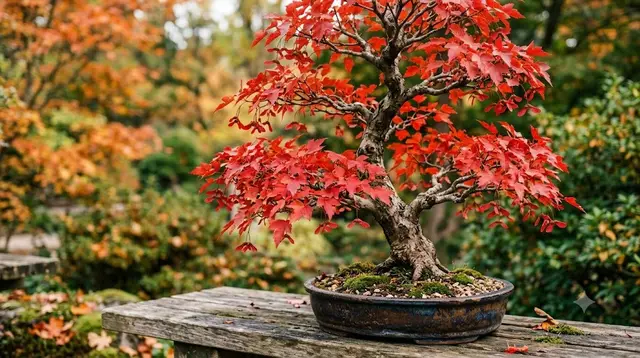 Beginner
 Amur Maple Bonsai
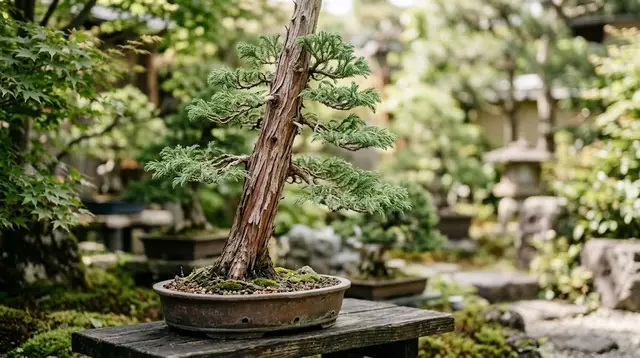 Intermediate
 Cryptomeria Bonsai
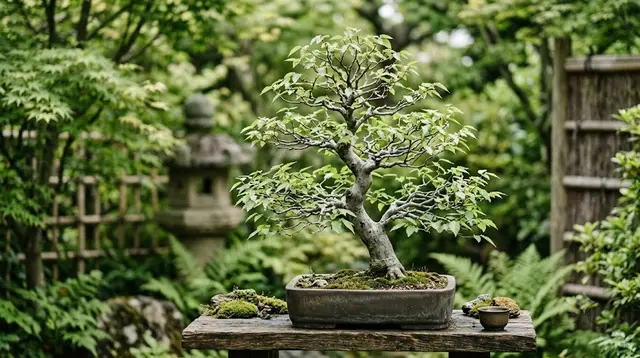 Beginner
 Korean Hornbeam Bonsai
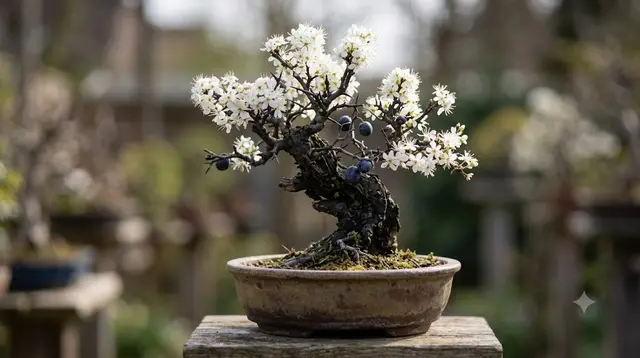 Intermediate
 Blackthorn Bonsai
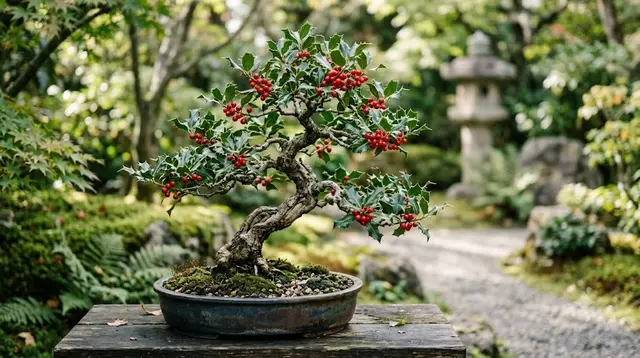 Intermediate
 Holly Bonsai
The core skills
The number-one skill and killer. Water when the surface just starts to dry - not on a fixed schedule - until it runs from the drainage holes. Little pots dry fast in summer and may need daily watering; never let a bonsai dry to a crisp or sit in a saucer of water.
Match the tree: tropicals (ficus, jade) take the brightest indoor window; temperate trees (juniper, maple, elm) are outdoor plants that need real seasons and will decline if kept inside. Get this right before anything else.
Two kinds: structural pruning (removing whole branches to build the shape, done in the dormant season) and pinching/trimming new growth through the growing season to keep it compact and ramified. Prune with intent, not just to tidy.
Anodised aluminium or copper wire wrapped at about 45° lets you bend and set branches into position. Leave it on for weeks to months until the branch holds, and check often - wire left too long bites ugly scars into swelling bark.
Every 1-3 years (younger trees more often), lift the tree, trim the outer and lower roots, and replant in fresh free-draining bonsai soil. This keeps the compact root ball healthy and the tree small. Do it in early spring, before growth surges.
A tiny pot of soil runs out of nutrients fast, so feed regularly through the growing season with a balanced bonsai or general fertiliser at the recommended strength. Ease off in winter when the tree rests.
The trunk usually tells you. Try the bonsai style selector - answer how your trunk grows and it points you to a classic style to aim for.
The main styles
A straight, tapering trunk standing dead upright, branches evenly spaced and getting shorter toward the top. The classic, disciplined look - and the hardest to get perfect. Suits conifers like juniper and pine.
An upright trunk with gentle S-curves, the most popular and forgiving style. The apex sits over the base. Great for beginners and for maples, elms and most broadleaf trees.
The whole trunk leans to one side as if shaped by years of wind, with roots gripping harder on the opposite side to 'anchor' it. Simple, dynamic and easy to read.
The trunk sweeps down below the base of the pot, like a tree clinging to a cliff over a ravine. Dramatic, grown in a tall pot, and a lovely challenge once you have the basics.
Like the cascade but the trunk falls only to about the rim of the pot, not below it. A softer version of the cliff-hanger look - forgiving and very natural for flowering trees.
Trunk and every branch swept hard in one direction, as if permanently battered by a coastal gale. Full of movement and story, and best once you can wire confidently.
The starter toolkit
A sharp concave cutter (leaves a hollow that heals flat) · bonsai scissors for fine trimming · aluminium training wire in a couple of gauges · a root hook and rake for repotting · a fine-rose watering can · and free-draining bonsai soil (akadama or a gritty mix).
Bonsai tools are sharp and training wire can cut - keep them away from children. Some popular bonsai (ficus, juniper, jade) are toxic to pets if chewed; check each plant's own guide. This is general craft guidance; care specifics vary by species and climate.