Hoyas, species by species.
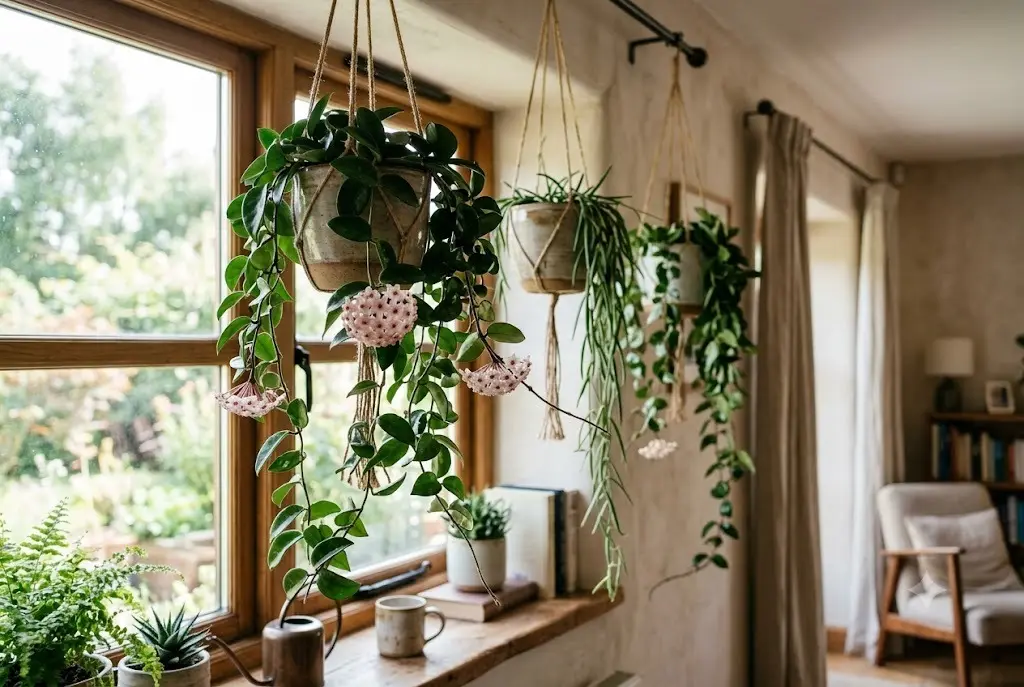
Hoyas are the collector's houseplant: pet-safe, decades-lived, and split into personalities - hearts, ropes, needles, coins, comets - that barely look related. Here are 14 species profiles with difficulty ratings. New to the genus? The wax plant primer covers the basics all of them share.
The collection 14
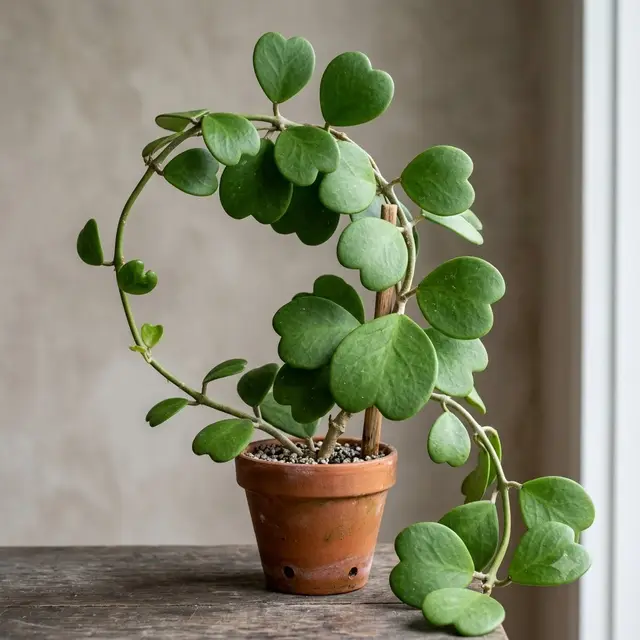 Beginner
 Kerrii (Sweetheart Hoya)
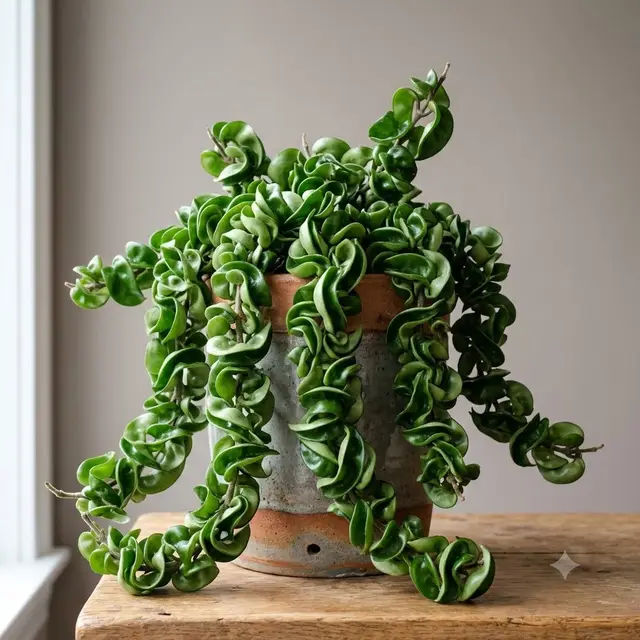 Beginner
 Compacta (Hindu Rope)
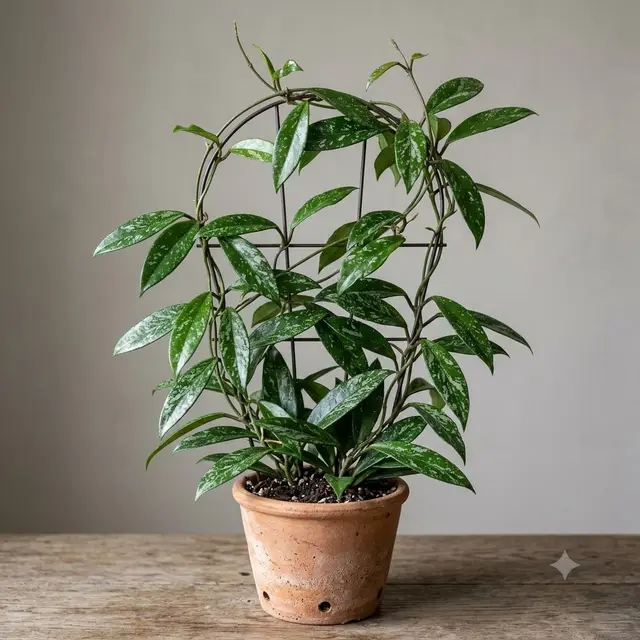 Beginner
 Pubicalyx
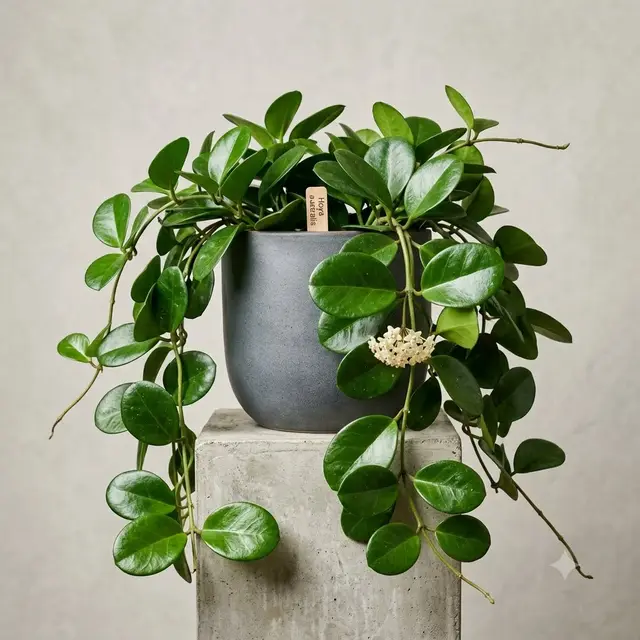 Beginner
 Australis
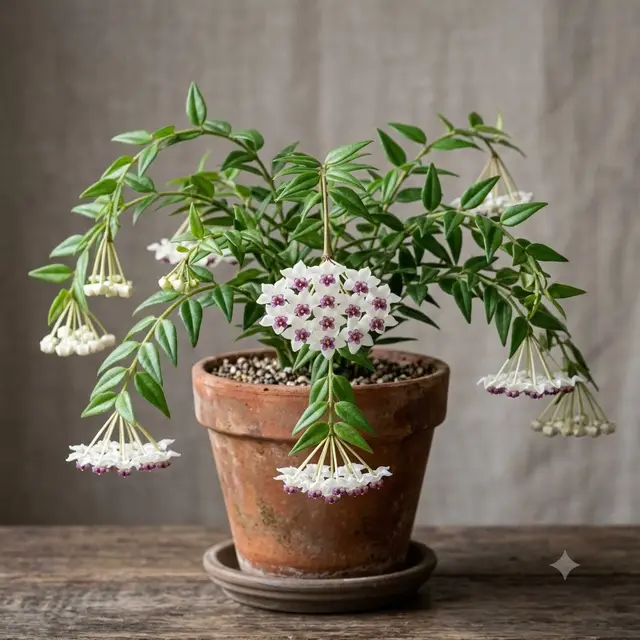 Intermediate
 Bella
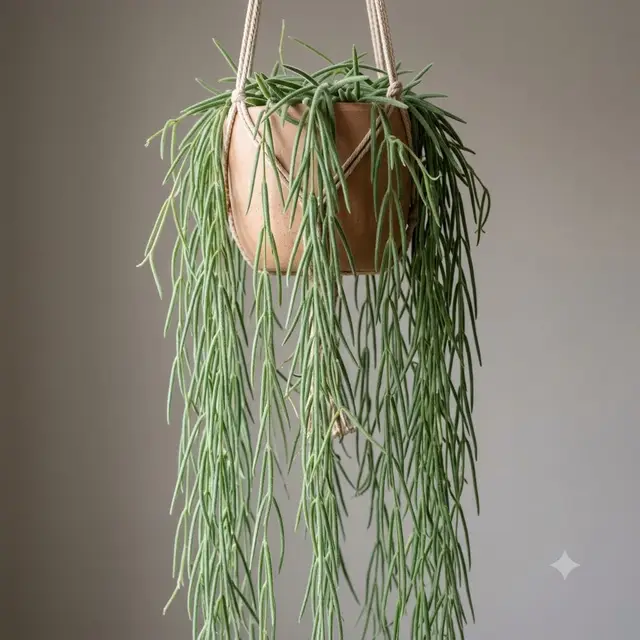 Advanced
 Linearis
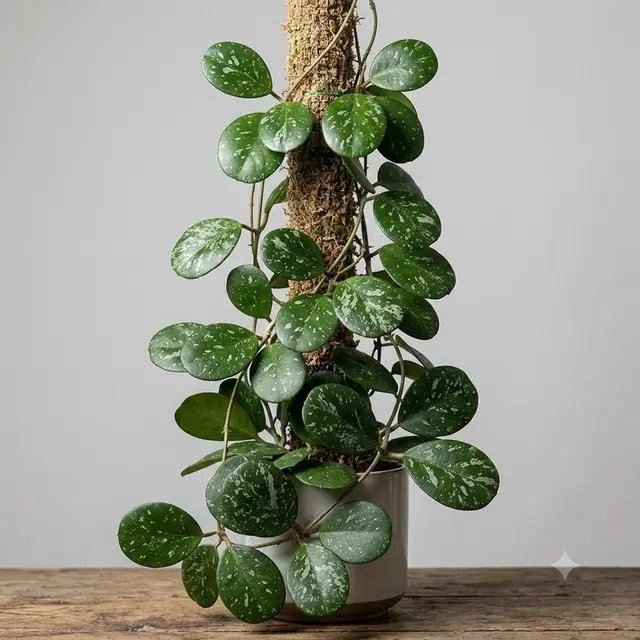 Beginner
 Obovata
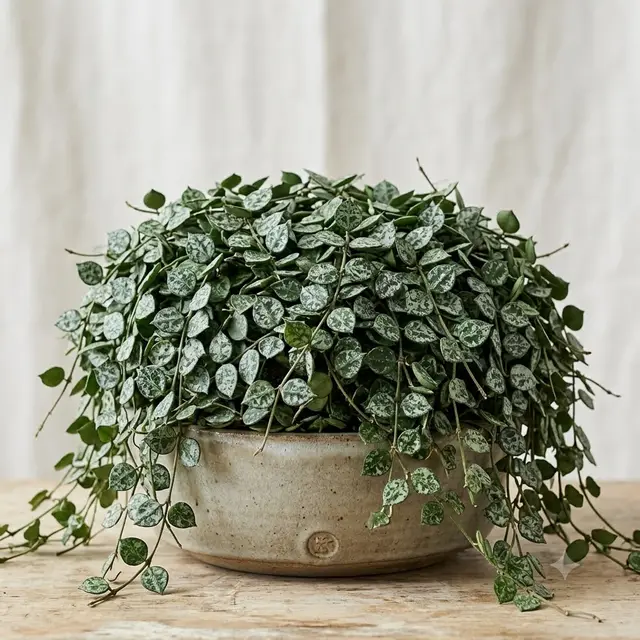 Intermediate
 Curtisii
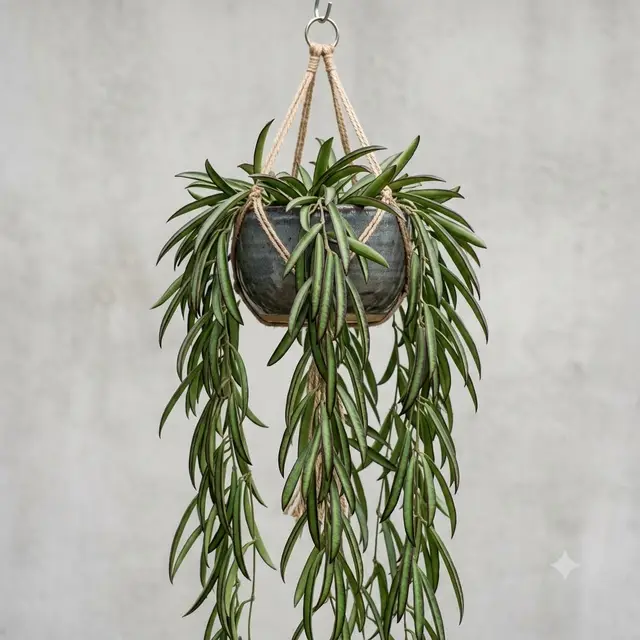 Beginner
 Wayetii
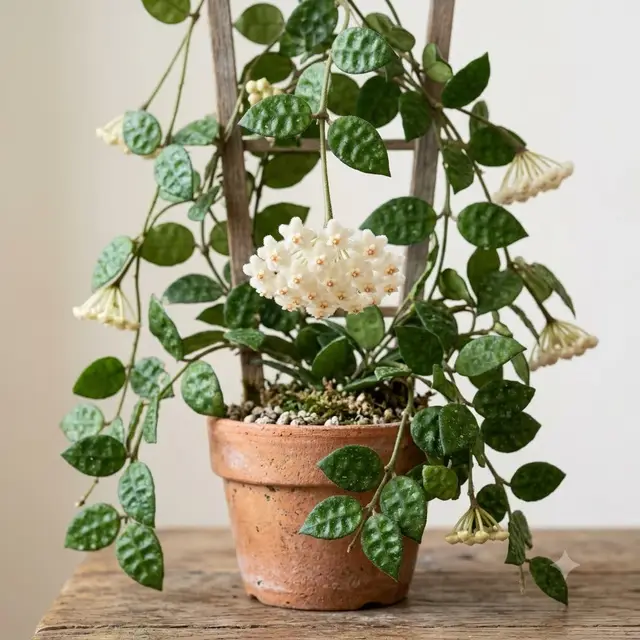 Beginner
 Lacunosa
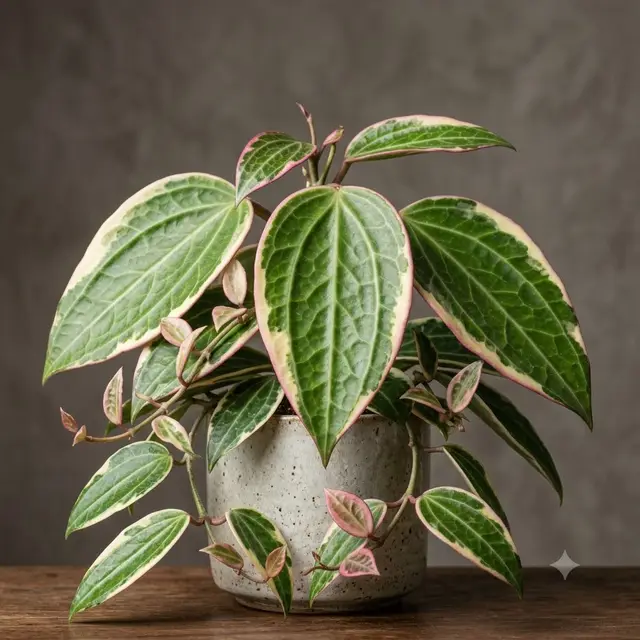 Intermediate
 Macrophylla
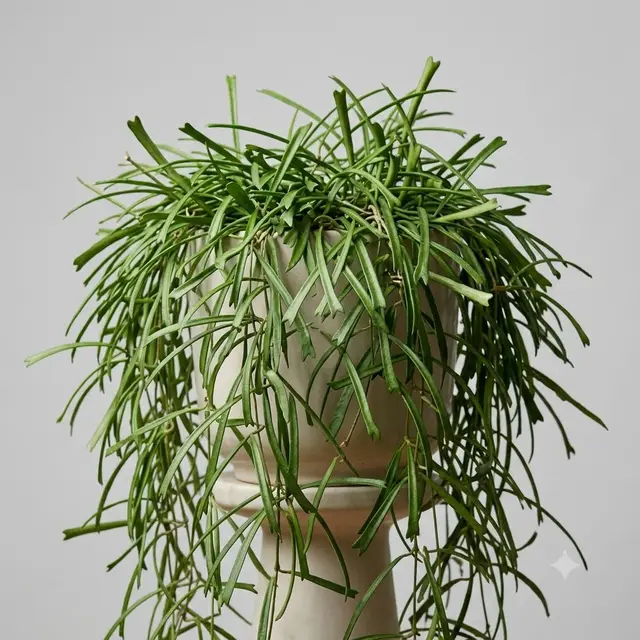 Intermediate
 Retusa
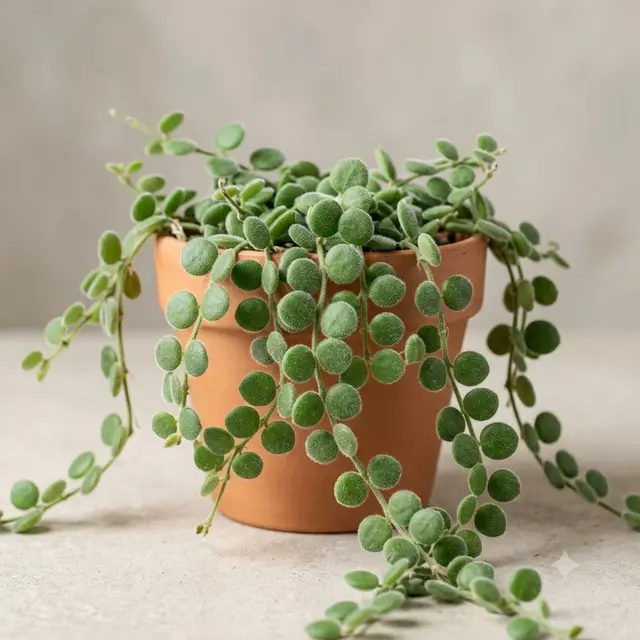 Advanced
 Serpens
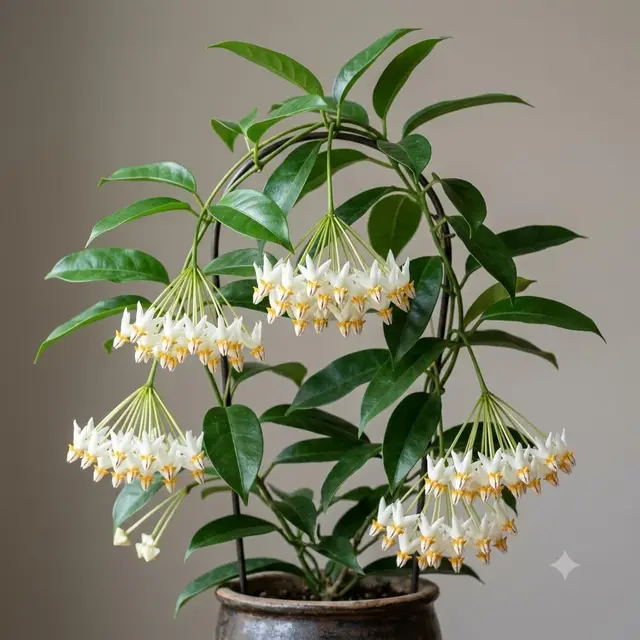 Intermediate
 Multiflora (Shooting Star)
Hoya care in six rules
Bright light, always
Every hoya complaint - no growth, no flowers, pale leaves - starts with light. Bright indirect is the floor; most thick-leaved species enjoy gentle direct sun too.
Match water to leaf thickness
Thick coaster leaves (kerrii, obovata, compacta) = soak-and-dry every 2-3 weeks. Thin leaves (bella, linearis, multiflora) = steadier, lighter moisture. The leaf tells you its own schedule.
Airy, chunky roots or rot
Hoyas are epiphytes: bark + perlite + a little mix, snug pots, real drainage. Dense wet soil is the number-one hoya killer, ahead of everything else combined.
Know the Himalayan trio
Bella, linearis and serpens come from cool foothills - they want cooler nights, higher humidity and gentler light than the tropical succulents. Same genus, different contract.
Never cut the spurs
Hoyas rebloom from the same leafless flower spurs (peduncles) for years. Deadheading a hoya deletes next year's show - leave every spur alone.
Pet-safe genus
Hoyas are non-toxic to cats and dogs across the board - one of the safest flowering houseplant families. The milky sap can mildly irritate skin, so wash hands after pruning.
Hoyas share a windowsill philosophy with the cacti & succulents collection - bright light, airy soil, restrained watering. And for trees in miniature, the bonsai catalog is the next rabbit hole.