Jowey Winnie Dahlia
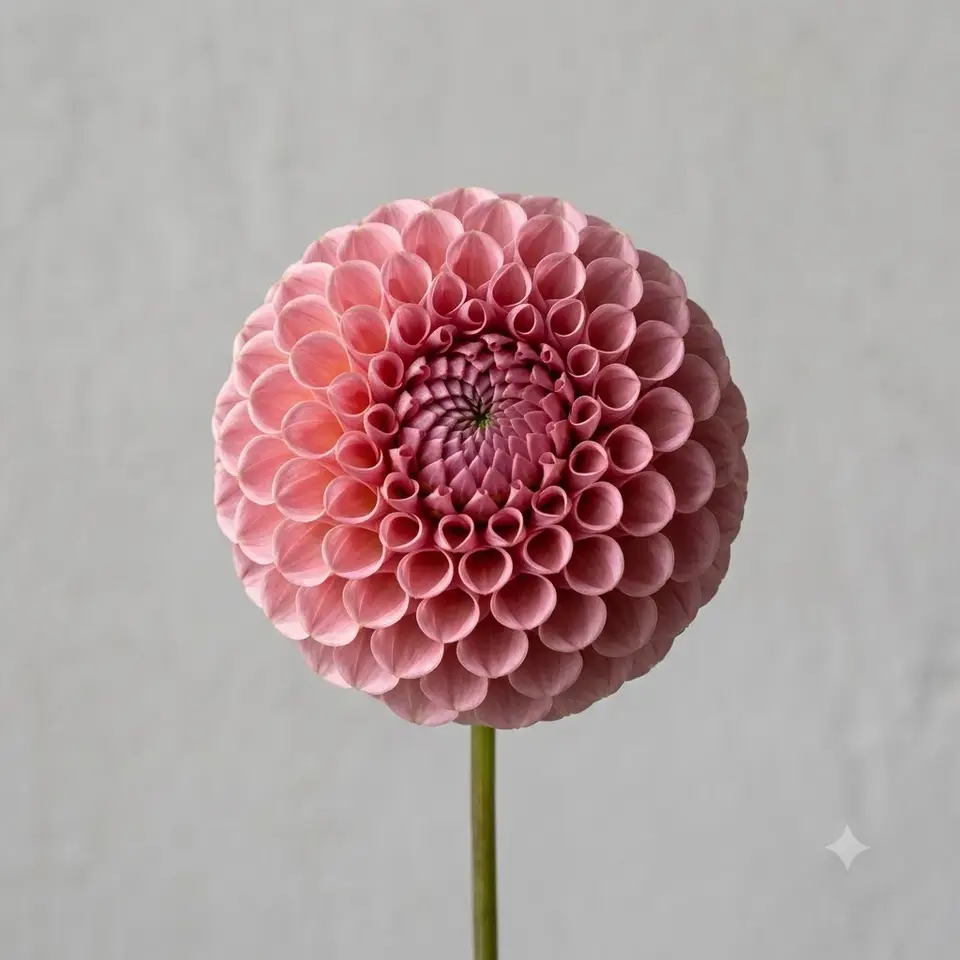
Jowey Winnie is a ball-type dahlia prized for its almost perfectly spherical, tightly quilled blooms in a soft dusty rose to blush pink (Dahlia 'Jowey Winnie').
Last reviewed: October 2026
 AI illustration
 Overview
Jowey Winnie is a ball-type dahlia prized for its almost perfectly spherical, tightly quilled blooms in a soft dusty rose to blush pink (Dahlia 'Jowey Winnie'). What sets it apart is the neat, formal geometry of each flower on long, strong stems, which makes it one of the most reliable pink ball dahlias for cutting. It reads as vintage and romantic rather than brash, so it slots into cottage and wedding-style planting with ease.
Origin & Background
The genus Dahlia is native to the highland regions of Mexico and Central America, where wild species grow in cool, sunny uplands; every modern garden dahlia descends from those Mexican ancestors through centuries of hybridising. Jowey Winnie belongs to the Belgian-bred "Jowey" series of ball and decorative dahlias developed for the cut-flower trade, alongside relatives such as Jowey Mirella and Jowey Frambo. Like all named dahlia cultivars it is a selected clone, kept true only by dividing its tubers rather than by seed.
Appearance
The flowers are fully double balls roughly 8 to 10 cm across, built from many rolled, blunt-tipped petals arranged in a tidy spiral. Colour is a warm, muted pink - dusty rose fading toward a paler blush at the petal edges, sometimes with a faint apricot warmth in cool weather. Foliage is the typical mid-to-dark green, pinnate and slightly coarse. Plants reach about 90 to 120 cm tall with a spread of roughly 45 to 60 cm, forming an upright bushy clump. Bloom begins in mid summer and continues in flushes right up to the first hard frost.
Why People Grow It - Qualities & Benefits
- Formal, near-perfect ball flowers in a soft, versatile pink that suits weddings and cottage schemes
- Long, sturdy stems and a good vase life make it a favourite cut flower
- Blooms for months, from mid summer through to frost, especially if deadheaded
- Attracts bees and other pollinators when open-centred blooms are present in the border
Care
Light: Full sun - at least 6 to 8 hours of direct light for the strongest stems and heaviest flowering. Water: Moderate but consistent; deep watering once or twice a week in dry spells, keeping the soil evenly moist but never waterlogged. Soil: Rich, fertile, well-drained soil with plenty of organic matter; slightly acidic to neutral pH (around 6.5 to 7.0) is ideal. Hardiness: USDA zones 8 to 11 in the ground; in zones 2 to 7 the tubers are lifted and stored over winter, or grown as annuals. Bloom or Season: Mid summer to first frost, typically July through October, flowering in repeated flushes over several months. Extra: Tall stems need staking early so the heavy ball blooms do not snap, and regular cutting or deadheading keeps new buds coming. Note that this dahlia is mildly toxic to cats and dogs, causing mild gastrointestinal upset and possible mild skin irritation from the sap, so site it where pets are unlikely to chew it.
Planting & Propagation
Plant tubers in spring once the soil has warmed and all frost risk has passed, setting them about 10 to 15 cm deep with the growing eye facing up, and space plants roughly 45 to 60 cm apart. Insert a stake at planting time to avoid spearing the tuber later. Propagate named cultivars like Jowey Winnie only by vegetative means - lift the tuber clumps after the first frost, divide them so each division carries a piece of crown with a visible eye, and store the divisions in a cool, frost-free, slightly humid place over winter; basal cuttings taken from sprouting tubers in early spring are another reliable route. Seed will not come true to type.
Common Problems & Pests
- Slugs and snails shredding young shoots in spring, and earwigs chewing petals
- Sap-sucking pests such as aphids, thrips, and spider mites, plus capsid bugs distorting buds
- Powdery mildew and grey mould (botrytis) in humid, crowded, or poorly ventilated plantings, and tuber rot in cold, wet, badly drained soil
Toxicity & Safety
Dahlias are considered mildly toxic to cats and dogs. If a pet chews the leaves, stems, or tubers, the plant sap can irritate the mouth and digestive tract, leading to mild gastrointestinal signs such as drooling, vomiting, and diarrhoea; skin contact with the sap may cause mild irritation or dermatitis. Reactions are usually mild and self-limiting, but persistent vomiting or discomfort warrants a call to a vet. Keep cut stems and lifted tubers out of reach of curious pets.
Pros & Cons
Pros
- Beautifully formed ball blooms in a soft, sought-after pink, excellent for cutting
- Long flowering season from mid summer to frost with strong, upright stems
Cons
- Tubers are not reliably winter-hardy in cold zones and must be lifted and stored
- Needs staking, regular deadheading, and pest watch, so it is more work than a shrub
Best Suited For
- Cut-flower gardeners and anyone growing blooms for arrangements or weddings
- Cottage borders and mixed beds where a repeat-flowering, romantic pink is wanted
FAQ
Do I have to dig up the tubers every winter?
Only in cold climates. In USDA zones 8 and warmer you can usually leave them in the ground under a mulch. In zones 7 and colder, lift the tubers after the first frost, dry and store them somewhere cool and frost-free, then replant in spring.
Why are my Jowey Winnie plants tall and floppy?
Ball dahlias put a lot of weight into their blooms on long stems, so they naturally need support. Stake at planting time and tie in the stems as they grow, and make sure the plant gets full sun so it does not stretch and weaken.
Gear for growing jowey winnie dahlia
Links go to Amazon or a partner store (such as Adagio Teas) and may earn us a commission at no extra cost to you. As an Amazon Associate we earn from qualifying purchases. We link gear types, not sponsors' picks: you choose the exact product.