Beefsteak Fungus
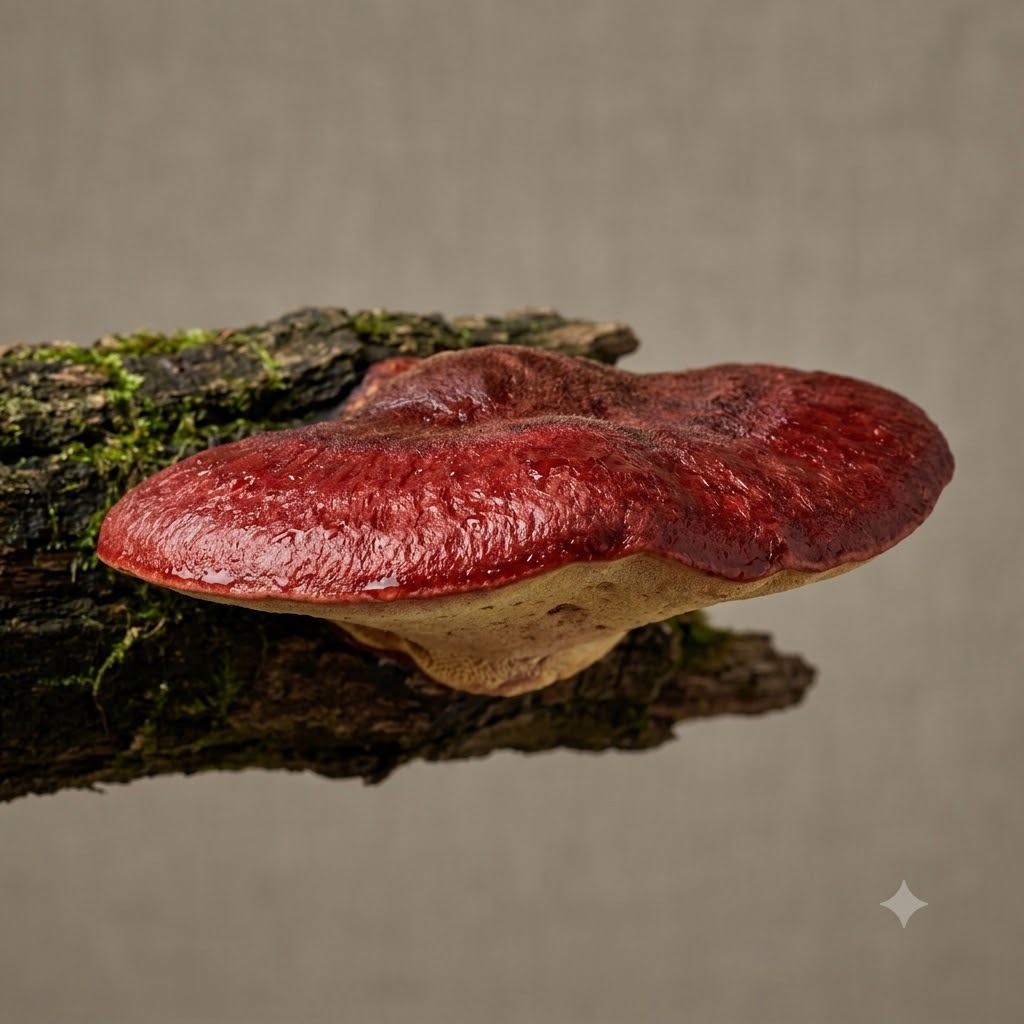
The beefsteak fungus (Fistulina hepatica) is the mushroom that looks like a slab of raw meat bolted to the side of an oak.
🗓️ Last reviewed: August 2026
Overview
The beefsteak fungus (Fistulina hepatica) is the mushroom that looks like a slab of raw meat bolted to the side of an oak. It is blood red to liver brown, thick and moist, and when cut it oozes a red juice and shows marbled flesh streaked like a piece of beef. Foragers meet it more often than they eat it, because opinions divide sharply: some find it a fine wild steak substitute, others find it unpleasantly sour, and both are right, since the flesh is genuinely acidic and needs handling accordingly. It also has a second life that has nothing to do with cooking. The brown staining it causes in oak heartwood, known in the timber trade as brown oak, is prized by furniture makers and can make an infected tree worth more, not less.
Identification & Appearance
The fruit body is a thick bracket 10-25 cm across, semicircular or tongue-shaped, attached to the wood by a short lateral stem or directly by its base. The upper surface is blood red to dark liver-brown, moist, sticky, and finely roughened. The underside is not gilled and not a solid pore layer either, and this is the distinguishing feature: it is covered in separate individual tubes packed side by side but not fused, cream to pale pink, which can be teased apart with a fingernail, unlike the fused pore layer of any other bracket. The flesh is thick, soft, marbled pink and cream like meat, and exudes a red juice when cut. Spore print is pale pinkish-brown. No other bracket fungus combines a red meaty appearance with unfused tubes, which makes it one of the more distinctive species in temperate woodland.
Where It Grows
Beefsteak fungus is a parasite and then saprotroph on living and dead oak, and less often on sweet chestnut and other hardwoods. It fruits low on the trunk, at the base, or from old wounds, from late summer through autumn, usually singly. It causes a slow brown rot in the heartwood but is relatively benign as tree pathogens go, since it attacks the already dead heartwood rather than the living sapwood, and infected trees often stand for many decades. It is widespread across Europe and occurs in North America, Australia, and elsewhere. Old oak parkland, wood pasture, and veteran trees are the classic habitat, and finding it usually means finding an oak worth looking at in its own right.
How to Grow at Home
Not cultivated commercially and not a realistic home project. It is a wood-decay fungus, so it is not impossible in principle, but it grows slowly, requires oak heartwood rather than sawdust, and no spawn is sold. Inoculating an oak log with a wild culture is a long-odds experiment measured in years. The practical relationship most people have with this species is as woodland managers rather than growers: veteran oaks with beefsteak fungus should generally be left alone, since the fungus is part of a healthy old-growth cycle and the tree is often structurally sound for a long time. If you own oak woodland, the species is a sign of maturity rather than a problem to remove.
Growing Conditions
Light
Not relevant. The fungus lives inside oak heartwood and fruits from the trunk in shade, and the only meaningful condition is the presence of a suitable veteran oak.
Watering
Fruiting follows late summer and autumn rain. The fruit body is unusually moist for a bracket and shrinks noticeably in dry weather, becoming tough and unappetising.
Temperature & Substrate
Fruiting spans roughly 10-20°C from late summer into autumn. The substrate is the heartwood of living or recently dead oak and sweet chestnut, and there is no home equivalent.
Culinary Use
This is where honesty matters. Beefsteak fungus is edible but sour, because the flesh contains significant acidity, and people who cook it like a steak and expect steak are usually disappointed. Young, soft specimens are far better than old tough ones. Common approaches are to slice it thinly and soak or blanch it to reduce the acidity, then fry it hard, or to stew it slowly with fat and strong flavours. Some traditional recipes use it thinly sliced raw in salads, where the acidity stands in for a dressing, but wild mushrooms should not be eaten raw and this guide does not recommend it. It also stains everything it touches red-brown. Cook it thoroughly. Do not confuse the fact that it looks like meat with the idea that it behaves like meat, and do not gather old, dried, rubbery specimens.
Health & Nutrition
It is low in calories with some fibre and protein, and it has an unusually high content of organic acids and antioxidant compounds for a mushroom, which is what makes it taste sour. Traditional use in a few European regions treated it as a blood tonic, presumably on appearance-based reasoning, and there is no modern basis for that. There is one genuine caution: because it is acidic and because it grows on old trees in parkland, gathering from urban and roadside veteran oaks brings the usual pollutant considerations. As with all wild mushrooms, cook it fully, try a small portion first, and be aware that even properly identified beefsteak fungus disagrees with some people, most likely because of the acidity rather than any toxin.
Common Problems
- Sour, unpleasant flavour - inherent to the species. Use young specimens, blanch or soak, and pair with fat and strong seasoning.
- Tough, rubbery texture - the specimen was too old. Only young, moist, soft brackets are worth taking.
- Everything turning red-brown - the juice stains boards, cloths, and other ingredients. Prepare it separately.
- Confusing it with other brackets - check the underside. Separate unfused tubes are unique to this species.
- Worrying about the host tree - infected oaks usually stand for decades, and the resulting brown oak timber is valuable. Removing the tree is rarely necessary.
Pros & Cons
Pros
- Unmistakable appearance, one of the easiest brackets to identify.
- Large, so one find provides a meal.
- Genuinely interesting texture, marbled like meat.
- Ecologically benign on veteran oaks, and produces valuable brown oak timber.
Cons
- Sour taste that many people dislike.
- Quality drops rapidly with age; only young specimens are worth eating.
- Stains everything it touches.
- Cannot be cultivated.
Best Suited For
- Foragers in old oak woodland and wood pasture.
- Cooks willing to blanch, soak, and season assertively.
- Naturalists interested in veteran tree ecology.
Not ideal for anyone expecting a steak substitute in flavour as well as appearance.
FAQ
Does it really taste like meat? No. It looks remarkably like meat and has a fibrous, marbled texture, but the flavour is distinctly sour and acidic. Manage expectations before cooking a whole one.
Will it kill the oak it grows on? Usually not quickly. It decays heartwood, which is already dead tissue, and infected trees often stand for decades. It is part of normal veteran tree ecology.
What is brown oak? Timber stained a rich brown by this fungus, prized for furniture and turning. An infected oak can be worth more to a woodworker than a clean one.
Never eat a beefsteak fungus without 100% expert identification. Confirm the blood-red bracket on oak, the marbled flesh, the red juice, and above all the separate unfused tubes on the underside with an experienced identifier before eating.
🪴 Foraging kit worth a look
Nothing here identifies a mushroom for you - identification stays with your field guides and local experts. These are simply the basics foragers carry.
Links go to Amazon or a partner store (such as Adagio Teas) and may earn us a commission at no extra cost to you. As an Amazon Associate we earn from qualifying purchases. We link gear types, not sponsors' picks: you choose the exact product.