Cafe au Lait Dahlia
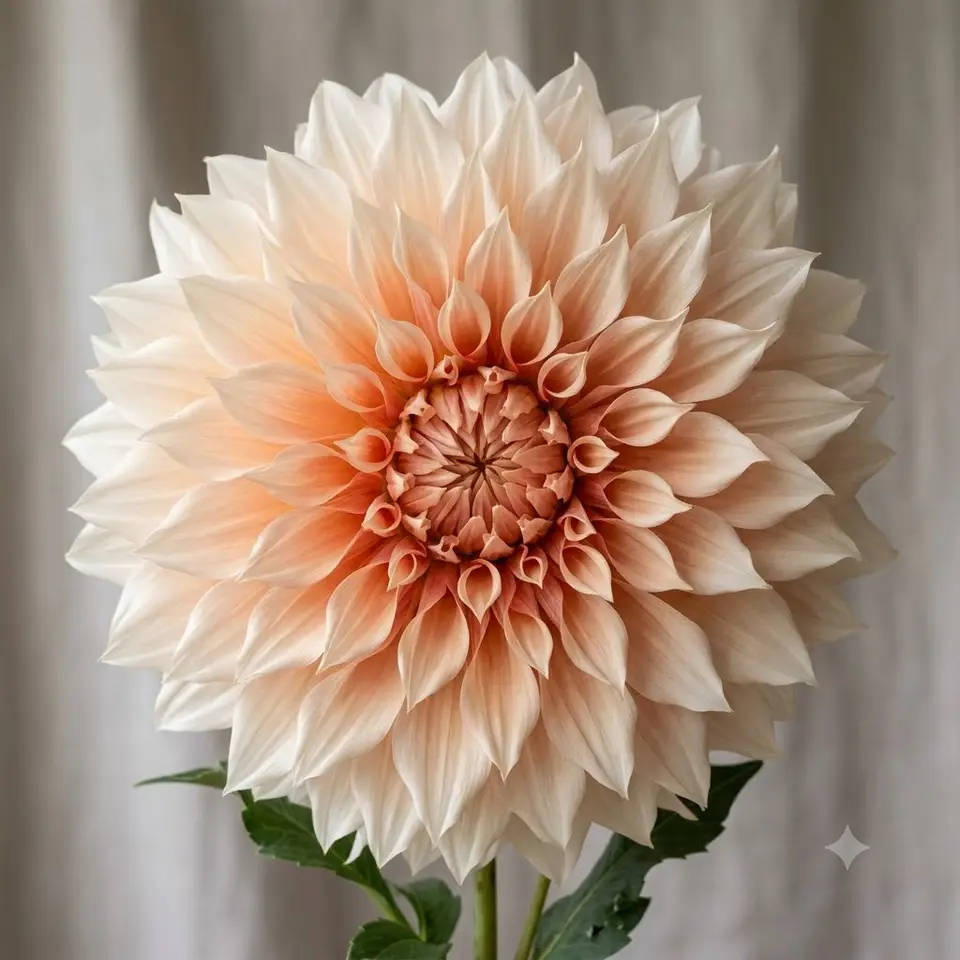
Cafe au Lait is one of the most sought-after dinnerplate dahlias, prized for enormous 20 to 25 cm blooms in soft, shifting shades of cream, blush, and milky-coffee beige (Dahlia 'Cafe au Lait').
Last reviewed: September 2026
 AI illustration
 Overview
Cafe au Lait is one of the most sought-after dinnerplate dahlias, prized for enormous 20 to 25 cm blooms in soft, shifting shades of cream, blush, and milky-coffee beige (Dahlia 'Cafe au Lait'). What sets this cultivar apart is its muted, painterly colour that never reads as one flat tone - it can lean peach, pale pink, or antique ivory depending on weather and soil. It became a modern florist and wedding favourite precisely because that gentle palette pairs with almost anything.
Origin & Background
The genus Dahlia is native to the highlands of Mexico and Central America, where wild species grow on hillsides and open slopes; dahlias are the national flower of Mexico. Named garden dahlias like Cafe au Lait are complex hybrids many generations removed from those wild ancestors. 'Cafe au Lait' itself is a Dutch-raised decorative cultivar that rose to fame through the cut-flower and wedding trade over the past couple of decades. Precise breeding records for the variety are not well publicised, so it is honest to call its exact parentage undocumented.
Appearance
This is a dinnerplate-class decorative dahlia with fully double, ruffled blooms that open 20 to 25 cm across on strong stems. The colour is its signature: a blend of latte cream, blush, and soft peach, often with a warmer or pinker flush toward the centre, and it genuinely varies from plant to plant and season to season. Foliage is mid-green, coarse, and pinnate. Mature plants reach roughly 1.1 to 1.2 m tall with a spread of about 45 to 60 cm. Bloom time runs from mid to late summer until the first hard frost, with flower production increasing as the season goes on.
Why People Grow It - Qualities & Benefits
- Huge, romantic dinnerplate blooms that make an immediate statement in beds or bouquets
- Neutral, weather-shifting colour that blends with nearly any palette
- Exceptional cut flower with long stems, a florist and wedding staple
- Long bloom window from midsummer to frost, more flowers the more you cut
Care
Light: Full sun, at least 6 to 8 hours a day, for the strongest stems and most blooms. Water: Consistent, deep watering once tubers sprout; keep evenly moist but never waterlogged, as soggy soil rots tubers. Soil: Rich, fertile, well-drained soil, slightly acidic to neutral (pH about 6.5 to 7.0), improved with compost. Hardiness: USDA zones 8 to 11 in the ground; in zones 3 to 7 tubers are lifted and stored over winter. Bloom or Season: Mid to late summer through the first frost, typically July into October depending on region. Extra: Colour is genuinely variable - cooler weather tends to bring out pinker, deeper tones while heat can wash blooms toward pale cream; the tall, top-heavy stems almost always need staking. Note that this plant is mildly toxic to cats and dogs, causing mild stomach upset and possible mild skin irritation from the sap, so site it where pets are not inclined to chew it.
Planting & Propagation
Plant tubers in spring after all danger of frost has passed and the soil has warmed, setting them about 10 to 15 cm deep with the growing eye facing up, and install stakes at planting time to avoid spearing tubers later. Named cultivars like Cafe au Lait do not come true from seed, so propagation is by division, not seed: in autumn after the foliage is blackened by frost, lift the tuber clumps, cure them briefly, and store in a cool, frost-free, slightly humid place over winter. In spring, divide each clump so every division carries a piece of the crown with a visible eye, then replant. Basal cuttings taken from sprouting tubers are another reliable way to increase stock.
Common Problems & Pests
- Slugs and snails shred young shoots, while earwigs, aphids, and thrips attack buds and foliage
- Powdery mildew and botrytis (grey mould) develop in humid, crowded, or poorly ventilated plantings
- Tuber rot from overwatering or wet winter storage, and stem flop when tall plants are left unstaked
Toxicity & Safety
Cafe au Lait, like all dahlias, is mildly toxic to cats and dogs. If a pet chews the leaves, stems, or tubers, the plant compounds can irritate the digestive tract and cause mild gastrointestinal upset such as drooling, vomiting, and loss of appetite. The milky sap may also cause mild skin or mouth irritation on contact. Reactions are generally mild rather than life-threatening, but pets should be kept from grazing on the plant, and cut stems and lifted tubers should be stored out of reach. If a pet eats a significant amount or shows persistent signs, contact a veterinarian.
Pros & Cons
Pros
- Show-stopping dinnerplate blooms in a versatile, on-trend neutral colour
- Long, productive bloom season and outstanding as a cut flower
Cons
- Needs staking, regular watering, and deadheading, so it is not low-maintenance
- In cold zones tubers must be lifted and overwintered, which is extra annual work
Best Suited For
- Cut-flower gardeners, wedding growers, and anyone wanting statement blooms
- Sunny borders and dedicated dahlia beds where tall plants can be staked
FAQ
Why do my Cafe au Lait blooms look more pink some years than others?
The colour naturally shifts with growing conditions. Cooler temperatures and richer soil tend to deepen the pink and peach tones, while heat and strong sun push the blooms toward pale cream and ivory. Variation from bloom to bloom is normal and part of the cultivar's charm.
Do I have to dig up the tubers every winter?
Only in colder regions. In USDA zones 8 to 11 the tubers can usually stay in the ground with a protective mulch. In zones 7 and below, lift the tubers after the first frost, cure and store them frost-free over winter, then replant in spring.
Gear for growing cafe au lait dahlia
Links go to Amazon or a partner store (such as Adagio Teas) and may earn us a commission at no extra cost to you. As an Amazon Associate we earn from qualifying purchases. We link gear types, not sponsors' picks: you choose the exact product.