Cedar Bonsai Care
Cedrus
True cedars (Atlas, deodar, Lebanon) make majestic but demanding bonsai - short needle tufts on grand layered branches, superb literati forms, and a strong dislike of root disturbance and bare-wood pruning.
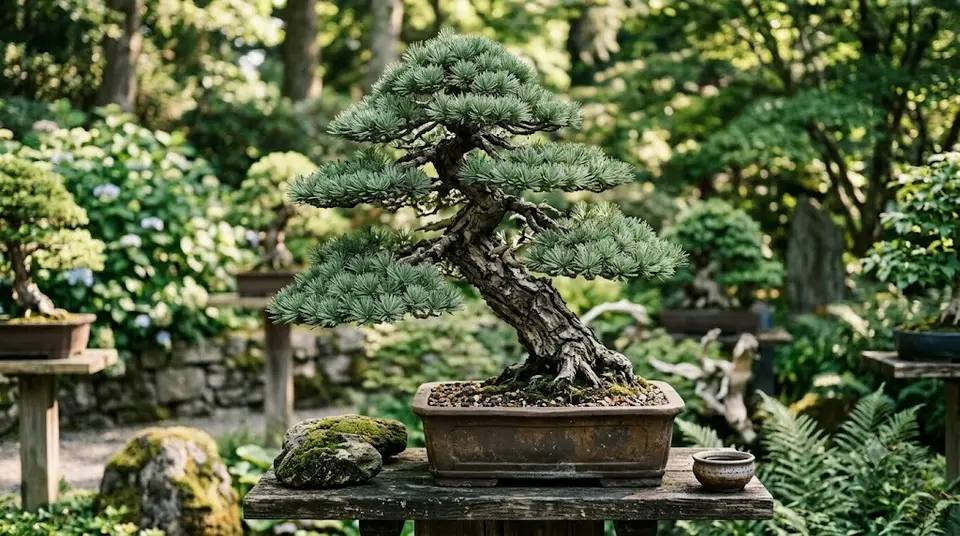
This species needs to live outdoors with real seasons - including a cold winter rest. Kept indoors it declines and slowly dies. It is one of the commonest beginner mistakes, so give it the outdoor life it needs.
The true cedars (Atlas, deodar and the cedar of Lebanon) carry more natural grandeur than almost any conifer, their short needle tufts lining long, layered branches. As bonsai they are beautiful and a little demanding: they resent heavy root work, will not bud from bare old wood, and sulk after rough treatment. For the grower with some conifer experience, though, a cedar literati or windswept upright is a lifetime tree of real nobility.
Overview
Majestic true conifers with needle tufts on spur shoots and naturally grand, layered branching. Rewarding but touchy: no budding from bare wood, and roots that hate disturbance - an advanced outdoor tree.
Light & position
Full sun outdoors all year; cedars love light and airflow and grow open and weak without them.
Watering
Water when the soil begins to dry - cedars like it slightly on the dry side and hate waterlogged roots. Sharp drainage plus restrained watering is the recipe.
Pruning & shaping
Shape by pinching new shoots and thinning - never cut a branch back beyond green growth, as cedars do not bud from bare wood and the stub dies. Build the layered pads gradually; drastic restyles are for nursery stock, not established trees.
Wiring
Cedars wire well and hold elegant, sweeping lines - wiring is the main styling tool since hard cutting is off the table. Watch the bark, which marks.
Repotting & soil
The danger zone: repot only every 3-5 years, in spring, removing modest amounts of root and never bare-rooting. Free-draining conifer soil; disturb as little as possible.
Feeding
Feed moderately through the growing season; steady nutrition keeps the needle tufts dense without coarse growth.
Winter & seasonal care
Hardy (deodar slightly less so) and needs a cold winter rest outdoors; shelter the pot from severe prolonged freezes and cold drying winds.
Common problems & pests
Decline after aggressive repotting or hard pruning is the classic cedar story - restraint prevents it. Aphids and scale occasionally; root rot in poor drainage. Yellowing needles usually mean wet feet.
FAQ
Can I cut a cedar branch back hard? No - never beyond green needles; cedars don't bud from bare wood and the branch dies back.
Which cedar is best for bonsai? Atlas (especially the blue form) and deodar are most used - all need the same gentle, patient handling.
Bonsai tools and training wire are sharp - keep them away from children. Some bonsai species (and their sap, leaves or seeds) are toxic to pets if chewed; check before keeping one where animals reach. This is general growing guidance; specifics vary by climate and individual tree.
Kit for bonsai work
Links go to Amazon or a partner store (such as Adagio Teas) and may earn us a commission at no extra cost to you. As an Amazon Associate we earn from qualifying purchases. We link gear types, not sponsors' picks: you choose the exact product.