Yew Bonsai Care
Taxus
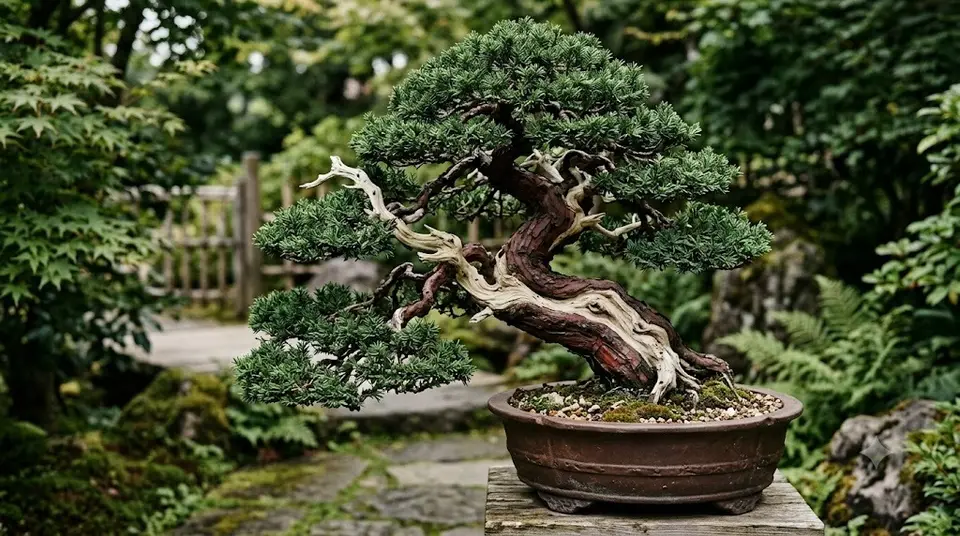
The yew is a superb, long-lived evergreen conifer bonsai - dark needles, rich red bark and dramatic deadwood - that unusually buds back on old wood; note every part except the berry flesh is highly toxic.
This species needs to live outdoors with real seasons - including a cold winter rest. Kept indoors it declines and slowly dies. It is one of the commonest beginner mistakes, so give it the outdoor life it needs.
The yew is one of the great long-lived conifers for bonsai, with deep green needles, flaking red-brown bark, and an unmatched talent for dramatic pale deadwood (jin and shari) against the dark foliage. Unusually for a conifer it buds back readily even from old, bare wood, which makes it forgiving to prune and style. It is hardy, tolerant of shade, and effectively immortal - but every part except the red berry flesh is highly poisonous, so site it thoughtfully.
Overview
A hardy, extremely long-lived evergreen conifer with dark needles, red bark and superb deadwood potential. Unusually for a conifer it buds back on old wood, making it forgiving - but it is highly toxic in all parts except the berry flesh.
Light & position
Full sun to part shade outdoors - yew is unusually shade-tolerant for a conifer, though good light keeps it dense. An outdoor tree that needs real seasons.
Watering
Water when the soil begins to dry, in free-draining soil; yew dislikes both drought and constant wet. Steady, moderate watering suits it - it is less fussy than many conifers.
Pruning & shaping
A big advantage: yew buds back readily from old, bare wood, so you can cut hard and rebuild - rare and welcome in a conifer. Pinch and trim through the season to build dense pads. Its deadwood features are a highlight of styling.
Wiring
Wires very well and holds a shape for a long time given its slow growth; check periodically and remove wire before it scars the bark.
Repotting & soil
Repot every 2-4 years in spring into free-draining conifer bonsai soil, trimming roots modestly. It tolerates root work reasonably well for a conifer.
Feeding
Feed through the growing season with a balanced feed to keep the foliage dense and dark. Ease off in winter.
Winter & seasonal care
Fully hardy and needs a cold winter rest outdoors; shelter only the pot from the very hardest freezes. Do not keep it indoors.
Common problems & pests
Root rot from soggy soil is the main danger - yew hates wet feet. Vine weevil and scale can strike. IMPORTANT: all parts of the yew except the fleshy red aril are highly toxic to people, pets and livestock if eaten, and clippings stay toxic: keep it and its prunings well away from children and animals, and dispose of trimmings safely.
FAQ
Does yew really bud back on old wood? Yes - unusually for a conifer, which makes it forgiving to cut back hard and restyle.
Is yew poisonous? Very - every part except the red berry flesh is highly toxic if eaten, including the clippings; keep it away from children, pets and livestock.
Bonsai tools and training wire are sharp - keep them away from children. Some bonsai species (and their sap, leaves or seeds) are toxic to pets if chewed; check before keeping one where animals reach. This is general growing guidance; specifics vary by climate and individual tree.
Kit for bonsai work
Links go to Amazon or a partner store (such as Adagio Teas) and may earn us a commission at no extra cost to you. As an Amazon Associate we earn from qualifying purchases. We link gear types, not sponsors' picks: you choose the exact product.