Silver Birch Bonsai Care
Betula pendula
The silver birch brings its famous white bark and airy, dancing foliage to bonsai - hardy and fast, best in groups and clumps, with a habit of dropping branches it no longer wants.
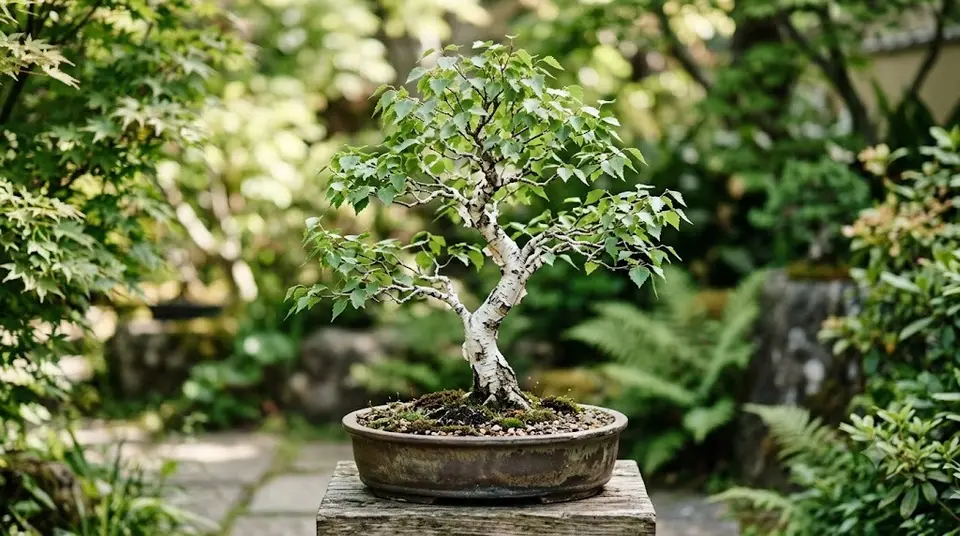
This species needs to live outdoors with real seasons - including a cold winter rest. Kept indoors it declines and slowly dies. It is one of the commonest beginner mistakes, so give it the outdoor life it needs.
Few trees say 'northern woodland' like the silver birch, and its white bark and light, fluttering leaves translate beautifully to bonsai - especially in groups and clumps, where a few slim white trunks conjure a whole forest. It is hardy and grows fast, with one famous quirk: birches abandon branches they no longer need, so plan designs with spares. The white bark arrives with age and is worth the wait.
Overview
A fast, hardy deciduous tree with (in time) white peeling bark and airy small leaves, superb in group and clump plantings. Its quirk: it can spontaneously drop branches, so build with redundancy.
Light & position
Full sun outdoors for dense growth and good bark; birches are pioneer trees and sulk in shade.
Watering
Keep evenly moist - birches are thirsty and wilt quickly if dried out in leaf, and dried branches are often the ones it then abandons. Water generously in summer, less once dormant.
Pruning & shaping
Trim the vigorous growth through the season; prune structurally in late summer rather than spring, as birches 'bleed' sap heavily from late-winter cuts. Keep more branches than you need - insurance against dieback.
Wiring
Young shoots wire easily; the thin bark marks, so pad wire and remove it early. Group compositions rely more on trunk placement than heavy wiring.
Repotting & soil
Repot every 2 years in spring into free-draining bonsai soil; birches root vigorously and recover fast.
Feeding
Feed steadily through the growing season; strong feeding supports the vigour that keeps branches alive.
Winter & seasonal care
Fully hardy and needs winter dormancy; golden autumn colour, then fine purple-brown winter twigs. Shelter the pot from the hardest freezes.
Common problems & pests
Branch dieback is the birch signature - usually a dried-out spell or shading; keep it watered, sunny and carry spare branches. Aphids drip honeydew; rust spots the leaves some years. Avoid big late-winter cuts (sap bleed).
FAQ
When does the bark turn white? With age - usually as trunks pass finger-thickness; young bark is reddish-brown.
Why did a healthy-looking branch just die? Birches abandon branches after drought or shading - water faithfully and design with spares.
Bonsai tools and training wire are sharp - keep them away from children. Some bonsai species (and their sap, leaves or seeds) are toxic to pets if chewed; check before keeping one where animals reach. This is general growing guidance; specifics vary by climate and individual tree.
Kit for bonsai work
Links go to Amazon or a partner store (such as Adagio Teas) and may earn us a commission at no extra cost to you. As an Amazon Associate we earn from qualifying purchases. We link gear types, not sponsors' picks: you choose the exact product.