Flowering Cherry Bonsai Care
Prunus serrulata
The Japanese flowering cherry is the iconic spring-blossom bonsai, smothering itself in soft pink or white flowers - a spectacular outdoor tree grown above all for that fleeting sakura display.
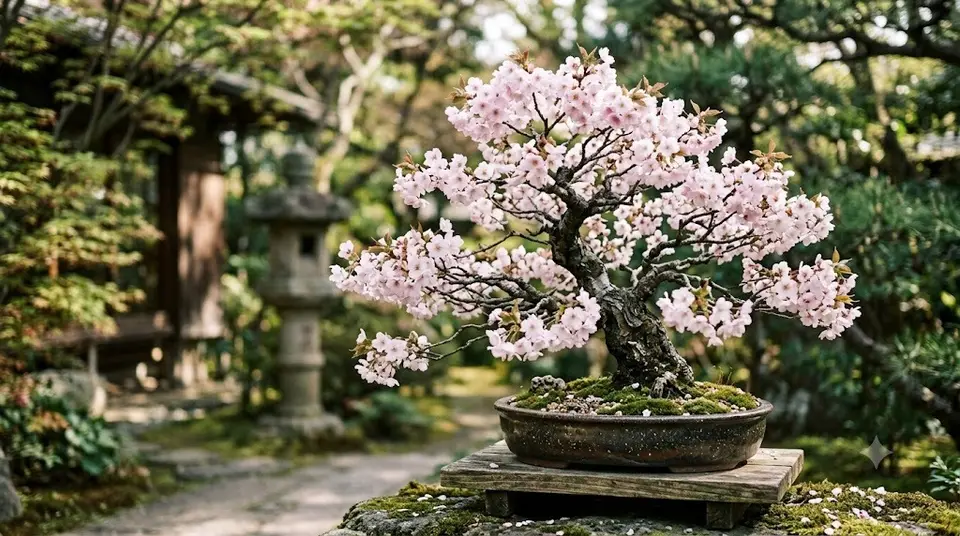
This species needs to live outdoors with real seasons - including a cold winter rest. Kept indoors it declines and slowly dies. It is one of the commonest beginner mistakes, so give it the outdoor life it needs.
Few sights in bonsai match a Japanese flowering cherry in bloom, its delicate branches disappearing under a cloud of soft pink or white sakura blossom. It is grown above all for that fleeting spring spectacle. An outdoor tree that wants sun, real seasons and a little care - cherries are more disease-prone than elms and dislike wet-weather pruning - it rewards the attention with the most celebrated flowers in the art.
Overview
A deciduous outdoor tree grown above all for its spectacular, fleeting spring blossom in pink or white. Delicate and celebrated, but a little more demanding and disease-prone than tough trees like elm.
Light & position
Full sun outdoors for the best flowering and compact growth, with shelter from strong wind that can batter the blossom. An outdoor tree needing real seasons.
Watering
Water thoroughly when the surface begins to dry; keep it well-watered in leaf and flower through summer, but never waterlogged. Reduce once dormant in winter.
Pruning & shaping
Prune with care and good timing: cherries set next year's flower buds after blooming, so structural pruning is usually done just after flowering. Avoid pruning in wet weather, which invites disease (silver leaf); seal larger cuts. Pinch to build ramification.
Wiring
Wire young shoots gently - cherry bark is thin and marks and scars easily, so protect it and remove wire early. Much shaping is done by directional pruning.
Repotting & soil
Repot every 1-2 years in early spring as buds swell (or just after flowering), into free-draining bonsai soil, trimming roots. Handle root work at the right moment.
Feeding
Feed through the growing season, easing off nitrogen and favouring potash later to support flower-bud formation for next spring.
Winter & seasonal care
An outdoor tree needing winter dormancy; protect the pot from hard, prolonged frost. The bare winter branches show the delicate structure. Do not keep it warm indoors.
Common problems & pests
Cherries are prone to aphids, and to fungal and bacterial diseases such as silver leaf and blossom wilt, especially if pruned in damp conditions. Prune in dry weather, keep it healthy and airy. Root rot from soggy soil is also a danger. Note that flowering cherry, like all Prunus, is toxic if eaten - the leaves, twigs, bark and seeds contain cyanide-producing compounds and are poisonous to dogs, cats, horses and people, so keep prunings and fallen leaves away from pets and children.
FAQ
When do I prune a flowering cherry? Just after it blooms - it sets next spring's buds soon after, and avoid pruning in wet weather to prevent disease.
Why is the blossom so brief? That fleeting display is the nature of cherry blossom - spectacular but short-lived, which is part of its charm.
Bonsai tools and training wire are sharp - keep them away from children. Some bonsai species (and their sap, leaves or seeds) are toxic to pets if chewed; check before keeping one where animals reach. This is general growing guidance; specifics vary by climate and individual tree.
Kit for bonsai work
Links go to Amazon or a partner store (such as Adagio Teas) and may earn us a commission at no extra cost to you. As an Amazon Associate we earn from qualifying purchases. We link gear types, not sponsors' picks: you choose the exact product.