Chinese Pepper Tree Bonsai Care
Zanthoxylum piperitum
The Chinese pepper tree is an easy, forgiving indoor bonsai with glossy pinnate leaves that release a peppery scent when brushed - steady warmth, bright light and even moisture keep it happy.
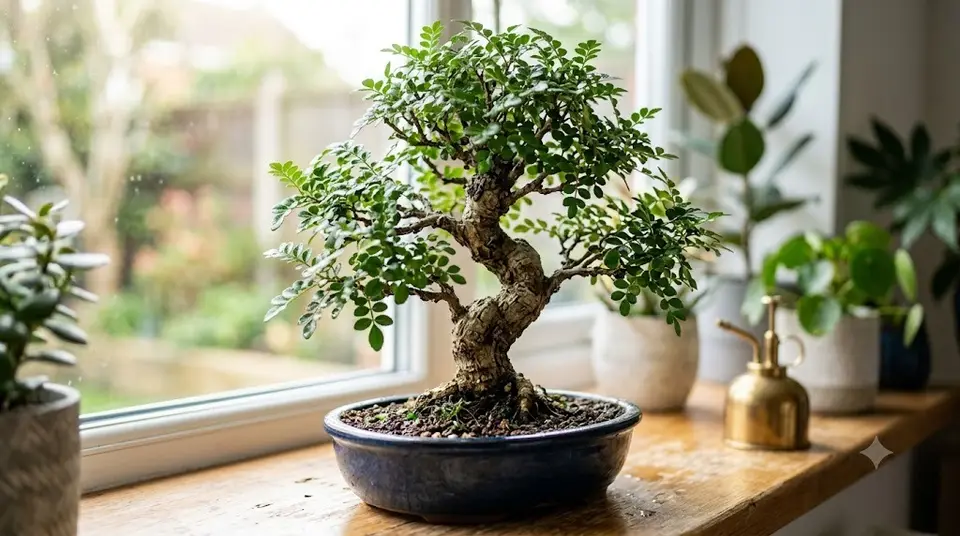
The Chinese pepper tree - a relative of the Sichuan pepper - makes a wonderfully easy indoor bonsai: glossy, pinnate leaves that release a fresh peppery-citrus scent when brushed, a sturdy upright habit, and a forgiving nature that tolerates beginner mistakes better than most indoor species. Give it warmth, light and even moisture and it quietly thrives.
Overview
An easy subtropical evergreen with glossy, aromatic pinnate leaves and a sturdy habit - one of the most forgiving indoor bonsai, ideal alongside or after a ficus.
Light & position
Bright light - a sunny windowsill - with steady warmth. It can summer outdoors in a warm sheltered spot, which thickens growth.
Watering
Keep the soil evenly moist; water when the surface begins to dry. It is more tolerant of a brief lapse than a sweet plum, but constant sogginess still rots the roots.
Pruning & shaping
Trim shoots back to two or three leaves through the growing season; it back-buds well and builds a dense crown. The scent released while pruning is a bonus.
Wiring
Young shoots wire well; older wood stiffens quickly, so set structure early. Watch for wire marks.
Repotting & soil
Repot every 2 years in spring into free-draining bonsai soil, trimming roots. It recovers readily in warmth.
Feeding
Feed regularly at modest strength through the growing season; ease off in winter.
Winter & seasonal care
Keep it indoors above about 10-12°C in winter, bright and draught-free. No cold dormancy required.
Common problems & pests
Few real vices: occasional scale or spider mite indoors, leaf drop after sudden change. Root rot from soggy soil is the main danger, as with all indoor trees.
FAQ
Does it really smell of pepper? Brush the leaves - they release a fresh peppery-citrus scent from oil glands.
Is it good for beginners? Yes - among indoor bonsai it is one of the most forgiving after the ficus.
Bonsai tools and training wire are sharp - keep them away from children. Some bonsai species (and their sap, leaves or seeds) are toxic to pets if chewed; check before keeping one where animals reach. This is general growing guidance; specifics vary by climate and individual tree.
Kit for bonsai work
Links go to Amazon or a partner store (such as Adagio Teas) and may earn us a commission at no extra cost to you. As an Amazon Associate we earn from qualifying purchases. We link gear types, not sponsors' picks: you choose the exact product.