How to Deadhead Flowers
The short answer: pinch or cut off faded flowers just above the next leaf or bud, and most plants push out a fresh flush of blooms instead of setting seed. Here is where to cut, which plants to leave alone, and how to keep the show going all summer.
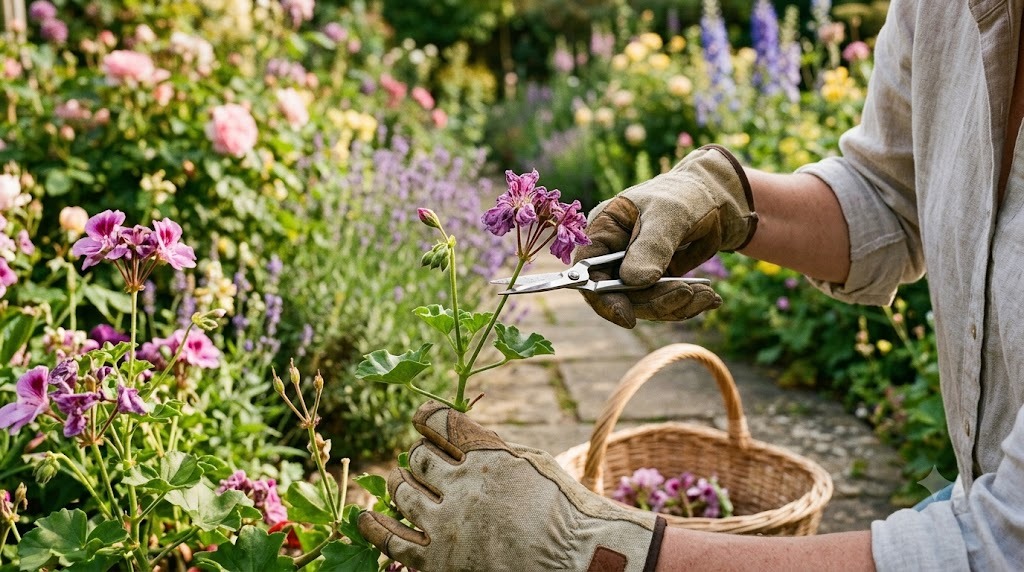
The short answer: deadheading means removing spent, fading flowers before they set seed, and you do it by pinching or snipping the dead bloom off just above the first healthy leaf or side bud. Most repeat-flowering plants respond by pushing out more flowers, because their goal was seed - take the seed away and they try again. It takes minutes, needs no tools beyond your fingers or a pair of snips, and it is the single highest-return job in a midsummer garden.
Here is exactly where to cut, which plants reward it most, and the few you should leave well alone.
Why deadheading works
A flower is not decoration to the plant - it is a step toward making seed. Once a bloom is pollinated and starts forming seed, the plant redirects its energy into ripening that seed, and it stops making new flowers because, as far as it is concerned, the job is done.
Remove the fading flower before the seed matures and you interrupt that signal. The plant reads the loss as a failed attempt and produces a fresh flush to try again. That is why a deadheaded bed of cut flowers can bloom for months while an untouched one is finished by August.
Deadheading also keeps plants tidy, stops mushy spent petals from inviting mould and disease, and prevents heavy self-seeding from plants that would otherwise take over.
Where to make the cut
The rule is simple: cut back to the next sign of life, not just the flower head.
- Cut just above the first healthy leaf, set of leaves, or visible side bud below the spent bloom. That bud is where the next flower comes from.
- Do not leave a bare stub sticking up - it dies back and looks untidy, and can rot.
- For plants with a rosette of leaves at the base (like many perennials), follow the flower stem right down to the base and remove the whole stalk once all its buds are done.
Pinching with thumb and forefinger works for soft stems (petunias, marigolds, coleus flowers). Use clean snips or secateurs for anything woody or tough. Wipe the blades if you move between diseased and healthy plants.
Which plants reward deadheading most
Some plants are transformed by regular deadheading:
- Repeat-flowering annuals - petunias, marigolds, cosmos, zinnias, calendula, snapdragons. Deadhead every few days in peak summer for a non-stop show.
- Many perennials - roses, dahlias, salvia, coreopsis, shasta daisies, delphiniums. Some will give a strong second flush later in the season.
- Repeat-blooming roses - cut back to the first outward-facing five-leaflet leaf for the fastest rebloom.
- Container displays - hanging baskets and pots depend on deadheading to keep going, since a single seed set can shut down a whole basket.
If you grow for pollinators, stagger your deadheading rather than stripping everything at once, so there are always open flowers for bees and butterflies.
Which plants to leave alone
Deadheading is not universal. Skip it when:
- The plant flowers only once and will not rebloom this season no matter what (peonies, most spring bulbs). For peonies the tidy-up is cosmetic - but on spring bulbs snipping the spent flower before seed forms still pays off next year by sending energy back into the bulb (a big effect for tulips, smaller for daffodils); leave the foliage to die down naturally either way. Hardy geraniums are a special case: picking off individual blooms achieves little, but shearing the whole plant after the first flush prompts many (Rozanne, G. sanguineum, G. x oxonianum) to rebloom.
- You want the seed heads. Ornamental grasses, alliums, sedum, echinacea and rudbeckia hold striking seed heads that carry the garden through autumn and winter and feed birds. Leaving these is a deliberate choice for year-round structure.
- You want the plant to self-seed - poppies, love-in-a-mist, foxgloves and forget-me-nots will fill gaps for free if you let some flowers go to seed.
- The plant produces ornamental fruit or hips you want to keep.
When in doubt, deadhead half and leave half, then watch what each does.
A simple midsummer routine
- Walk the beds every two or three days in high summer with a small bucket or trug. This is the sweet spot - frequent light passes beat one big overwhelming session.
- Pinch as you go. Most annuals only need fingers.
- Drop spent heads in the compost, unless the plant is diseased or you want to avoid spreading seed.
- Deadhead in the cool of morning or evening, not in the blazing midday heat when both you and the plants are stressed.
- Pair it with a check on watering. Plants working hard to rebloom need steady moisture; our watering calculator helps you gauge how much your beds and pots actually need in summer.
Late in the season - roughly four to six weeks before your first expected frost - ease off. Letting the final flowers set seed signals the plant to wind down naturally for winter.
The honest bottom line
Deadheading is the closest thing gardening has to a free lunch: a few minutes with your fingers, repeated through summer, and repeat-flowering plants keep blooming for months longer than they otherwise would. Learn the one rule - cut back to the next leaf or bud, not just the flower - know the handful of plants to leave for seed heads and self-sowing, and make a short pass every few days. The garden pays you back in flowers.