Tilton Apricot
Apricot variety
Tilton is the workhorse apricot - late-blooming (frost-dodging), heavy-cropping and cold-hardy, with tangy-sweet fruit that cans and dries better than any competitor.
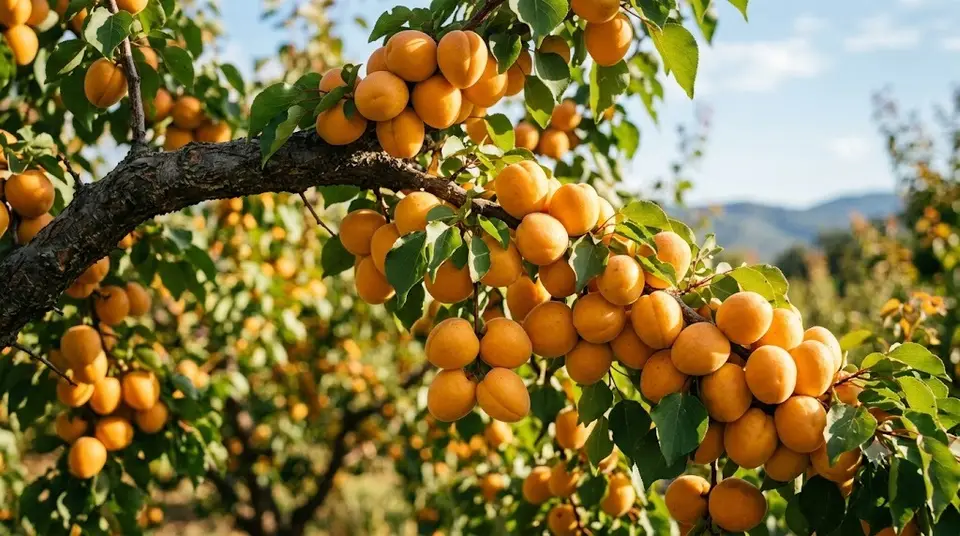
If Moorpark is the apricot for flavor romantics, Tilton is the one for people who want apricots every year. Its saving grace is timing: it blooms later and hardier than most varieties, slipping past the spring frosts that annually erase apricot crops, then sets heavily and reliably. The heart-shaped golden fruit - the classic 'suture-line' apricot - carries a robust sweet-tart flavor that survives canning and drying better than any fancier variety.
Fruit & flavor
Medium, heart-shaped with a distinct raised suture line, uniform gold with light blush; firmer flesh, sweet with real tartness - the flavor that stays apricot through the canner and dehydrator, which made it the processing standard.
Tree size & rootstocks
Vigorous and productive, 3-4 m managed; heavy annual sets need thinning to keep size and prevent limb strain.
Pollination
Self-fertile.
Climate & hardiness
Zones 4-8 - among the hardiest quality apricots - with high chill tolerance AND later, tougher bloom: the entire variety's reason for being. The apricot to try where springs are treacherous.
Site & soil
Full sun, drained soil; the wall trick helps in the coldest gardens but Tilton succeeds free-standing where Moorpark demands architecture.
Pruning & care
Summer pruning, light shaping, real thinning in its heavy years (8 cm spacing). Otherwise the easiest of the apricots.
Harvest & storage
July, slightly earlier than Moorpark; pick full-gold with slight give for fresh use, or firm-ripe for halving into the canner and dehydrator - drying is where Tilton beats everything.
Problems
The reduced apricot list: bloom frost (much rarer thanks to timing), brown rot in wet spells, standard dieback tendencies. A genuinely dependable stone fruit.
FAQ
Tilton or Moorpark?
Tilton for reliability, canning and drying, and colder gardens; Moorpark for peak fresh flavor on a protected site. The classic answer is both - they cover each other.
What's the line around the fruit?
The suture - Tilton's pronounced seam is a variety signature, not a defect; it's the traditional 'real apricot' look on old fruit-crate labels.
Varieties behave differently by region, rootstock and season - ripening months here assume a mid-temperate northern-hemisphere garden. Check local nursery guidance for your exact climate, and never rely on a single source for spray decisions.
Kit for fruit trees
Links go to Amazon or a partner store (such as Adagio Teas) and may earn us a commission at no extra cost to you. As an Amazon Associate we earn from qualifying purchases. We link gear types, not sponsors' picks: you choose the exact product.